
Appliance Safety for Children – Risks for London Homes
2026-01-22 22:21:01
Appliance Safety for Children – Risks for London Homes
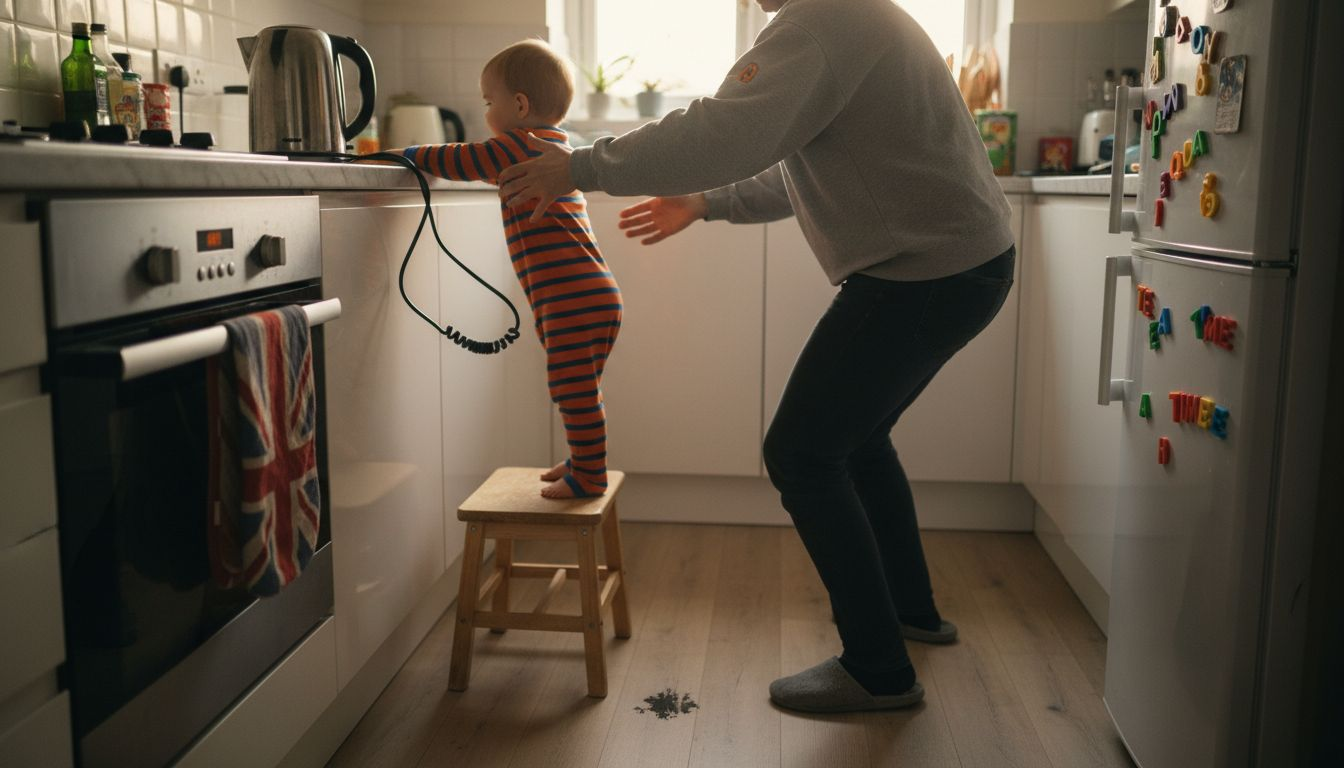
Every british parent in Central London knows that even a split second of distraction can lead to unexpected household accidents. With homes packed tightly together and appliances close to little hands, keeping children safe requires more than quick fixes. Over 60 percent of domestic accidents involving young children are linked to everyday appliances, making proactive safety measures crucial for families. This guide reveals practical, easy-to-implement strategies that fit real London living, helping you confidently protect your children where it matters most.
Table of Contents
- Defining Appliance Safety For Children
- Types Of Domestic Appliances And Child Risks
- Core Safety Features And Functions Explained
- Legal Safety Standards For Homes In London
- Risks, Parental Duties, And Preventable Accidents
- Essential Safety Steps And Mistakes To Avoid
Key Takeaways
| Point | Details |
|---|---|
| Childproofing is Essential | Parents must actively manage risks associated with household appliances to prevent accidents. Regular safety audits can identify potential hazards. |
| Understand Appliance Risks | Different appliances pose unique dangers; understanding these can help parents implement effective safety measures. Each category necessitates tailored strategies for child safety. |
| Legal Standards Matter | Familiarity with local safety regulations ensures compliance and enhances child protection in domestic settings. Parents should verify that their housing meets current safety standards. |
| Proactive Safety Practices | Implementing preventive measures and maintaining vigilance are key to safeguarding children; this includes securing dangerous items and teaching children about hazards. |
Defining Appliance Safety for Children
Childproofing is a critical responsibility for London parents, involving strategic management of potential hazards within domestic environments. Understanding appliance safety means recognising the complex risks children face from everyday household equipment, particularly in compact urban homes where space and proximity increase potential dangers.
The primary goal of appliance safety centres on preventing unintended interactions between curious children and potentially harmful electrical or mechanical devices. This requires a comprehensive approach that goes beyond simple observation, necessitating proactive childproofing strategies. Critical safety measures include:
- Securing electrical cords and preventing access to dangerous components
- Installing protective socket covers to eliminate electrical shock risks
- Stabilising appliances to prevent potential tip-over accidents
- Removing small detachable parts that could present choking hazards
- Ensuring appliances are positioned out of children’s immediate reach
Parents must systematically assess their living spaces, understanding that children’s natural curiosity and developing motor skills can transform seemingly innocent household items into potential safety risks. Electrical appliances, with their complex mechanisms and attractive buttons, represent particularly compelling exploration targets for young children.
Expert Tip: Conduct a monthly safety audit of your home, examining appliance placements and potential child interaction points to proactively identify and mitigate risks before they become dangerous situations.
Types of Domestic Appliances and Child Risks
Domestic appliances represent significant potential hazards for children, with each device presenting unique risks that require careful understanding and management. In London’s compact urban households, the proximity and accessibility of these electrical devices make comprehensive safety awareness crucial.
Household appliances generate varying levels of electrical and magnetic fields, with different devices posing distinct challenges for child safety. The primary categories of domestic appliances that demand heightened parental vigilance include:
- Kitchen Appliances: - Cookers and stovetops with hot surfaces - Sharp-edged food processors and blenders
- Electrical Equipment:
- Kettles and steam-producing devices
- Toasters with exposed heating elements
- Cleaning Devices:
- Vacuum cleaners with trailing electrical cords
- Washing machines with complex mechanical parts
According to electrical safety standards, ranges and stovetops represent particularly high-risk areas, accounting for substantial home fire incidents. Each appliance type requires specific safety strategies to prevent potential child injuries, considering factors like electrical exposure, heat generation, and mechanical complexity.
Modern London homes often feature multifunctional, compact living spaces where children’s natural curiosity intersects directly with potentially dangerous electrical equipment. Parents must develop a proactive approach, understanding that children’s developing motor skills and exploratory behaviours can transform seemingly harmless household devices into significant safety risks.
Here is a summary comparing key child hazards associated with common household appliances:
| Appliance Type | Primary Hazard | Risk Level for Children |
|---|---|---|
| Kitchen appliances | Burns or cuts | Very high, especially under five |
| Electrical equipment | Electric shock or burns | High for toddlers and infants |
| Cleaning devices | Strangulation or trapping | Moderate to high, all ages |
| Heating devices | Scalds or fire | High for mobile children |
Expert Tip: Create a dedicated “safety zone” in your kitchen and utility areas, using childproof barriers and strategic positioning to limit children’s direct access to high-risk appliances.
Core Safety Features and Functions Explained
Modern household appliances incorporate sophisticated safety mechanisms designed to protect children and families from potential electrical, thermal, and mechanical risks. These intricate systems represent a critical line of defence against accidental injuries in domestic environments.
International safety standards mandate comprehensive protection features across various appliance categories. The core safety functions typically include:
- Thermal Protection:
- Automatic shut-off mechanisms
- Temperature limit switches
- Overheating prevention circuits
- Electrical Safety:
- Grounded electrical connections
- Insulation barriers
- Short-circuit protection
- Mechanical Safeguards:
- Child-resistant locks
- Rounded edges
- Stable mounting systems
According to National Electrical Code guidelines, appliance safety involves rigorous testing and certification processes. Manufacturers must ensure their products meet stringent requirements that address potential hazards associated with electrical exposure, mechanical interaction, and thermal risks.
In London’s compact urban homes, where space constraints often bring children into closer proximity with household appliances, understanding these safety features becomes paramount. Parents must remain vigilant, recognising that while modern appliances incorporate multiple protective mechanisms, supervision and education remain the most critical safety strategies.
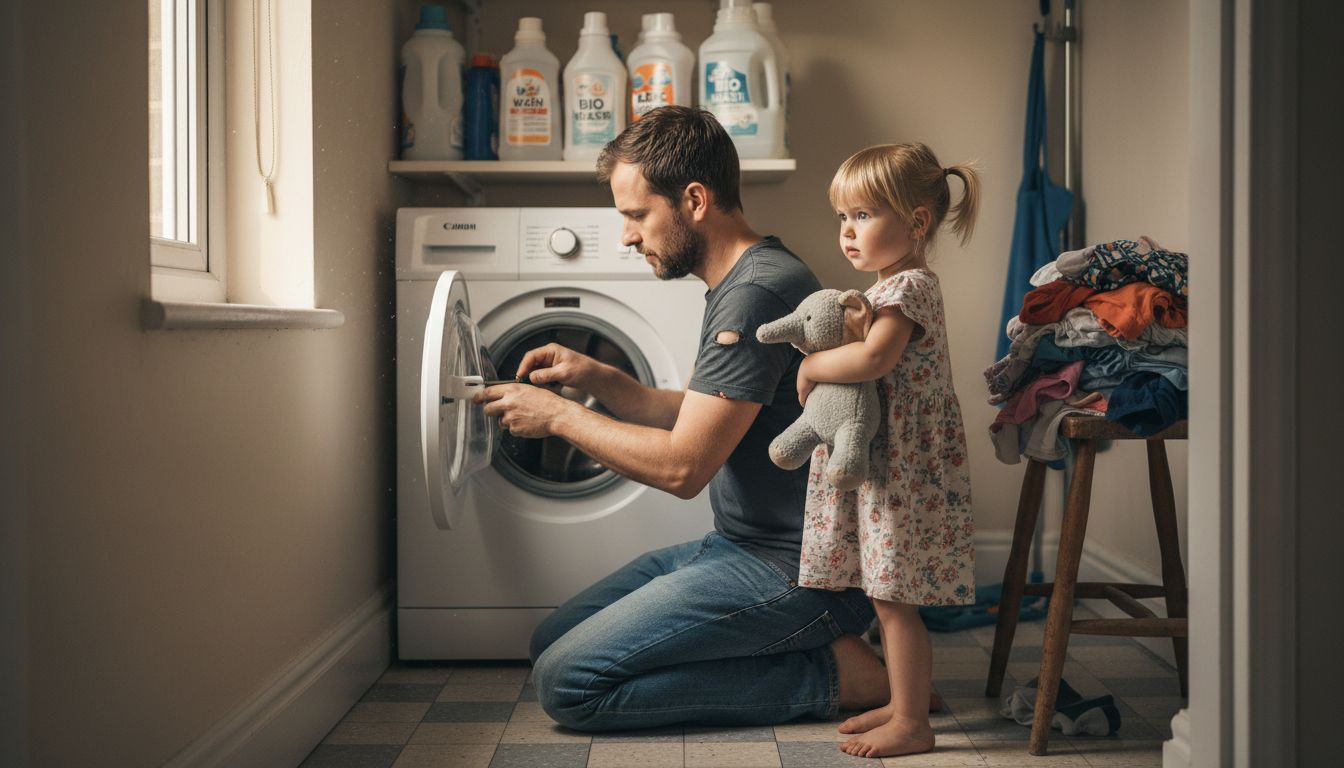
Expert Tip: Regularly inspect appliance safety features, checking for wear, damage, or malfunction that might compromise built-in protective systems.
Legal Safety Standards For Homes in London
Legal safety standards in London represent a comprehensive framework designed to protect residents, particularly children, from potential hazards within domestic environments. These regulations encompass multiple aspects of home safety, focusing on proactive prevention and stringent compliance requirements.
The Regulator of Social Housing (RSH) enforces rigorous consumer safety standards that mandate housing providers maintain exceptional safety protocols. Key legal requirements include:
- Electrical Safety:
- Regular electrical system inspections
- Compliance with current wiring regulations
- Mandatory safety certification
- Fire Protection:
- Comprehensive fire risk assessments
- Installation of appropriate fire prevention systems
- Clear evacuation protocols
- Structural Integrity:
- Regular maintenance checks
- Adherence to building safety standards
- Prompt resolution of potential hazards
London Plan Policy D12(A) specifically mandates the highest fire safety standards for residential developments, requiring detailed Planning Fire Safety Strategies that address electrical faults, appliance risks, and potential structural hazards. These regulations demonstrate a proactive approach to preventing domestic accidents and protecting vulnerable residents.
For London parents, understanding these legal standards provides a crucial framework for assessing the safety of their living environments. While regulations offer significant protection, personal vigilance remains paramount in creating a truly safe home for children.
Expert Tip: Request and review the most recent safety certification documents for your residential property, ensuring all legal safety standards are currently met and up to date.
Risks, Parental Duties, and Preventable Accidents
Parental responsibility extends far beyond emotional care, encompassing a critical legal and moral obligation to create safe domestic environments for children. In London’s increasingly complex urban living spaces, understanding potential household risks becomes paramount to preventing catastrophic accidents.
Parents and guardians have a fundamental legal duty to provide a safe home environment that protects children from numerous potential hazards. The primary risks associated with domestic appliances and household settings include:
- Electrical Hazards:
- Exposed electrical cables
- Overloaded power outlets
- Faulty electrical equipment
- Thermal Risks:
- Unprotected hot surfaces
- Steam-producing appliances
- Unguarded heating elements
- Mechanical Dangers:
- Sharp edges on kitchen equipment
- Unstable appliance positioning
- Moving mechanical parts
Preventable accidents often result from a combination of environmental factors and insufficient supervision. Children’s natural curiosity and developing motor skills mean they frequently interact with household objects without understanding potential dangers. Parents must therefore implement comprehensive safety strategies that combine physical barriers, educational approaches, and constant vigilance.
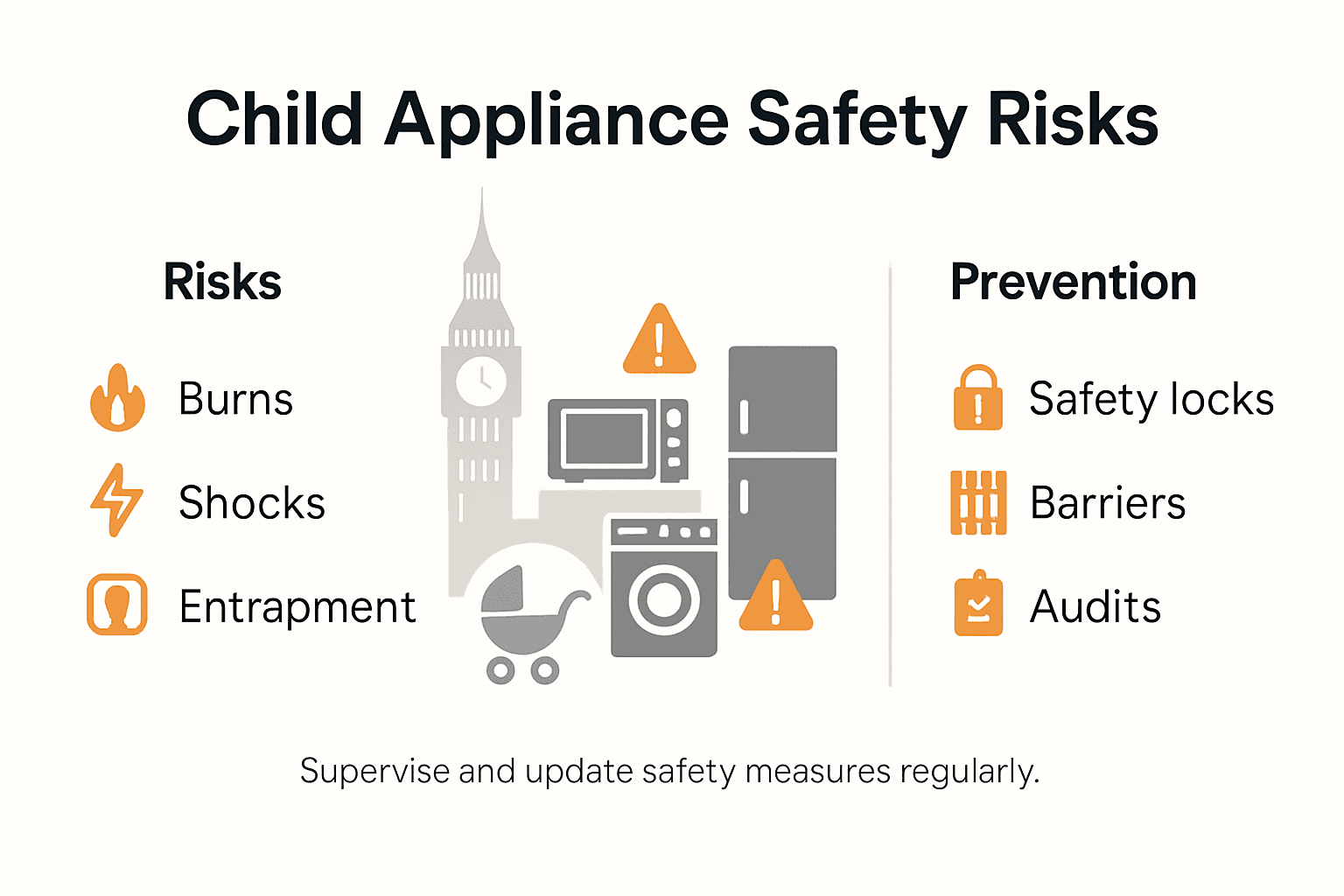
Understanding these risks requires more than theoretical knowledge; it demands practical, proactive management of household environments. London parents must consistently assess and mitigate potential dangers, recognising that prevention is significantly more effective than addressing accidents after they occur.
Expert Tip: Conduct a monthly comprehensive safety audit of your home, systematically examining each room for potential child-related risks and implementing immediate corrective measures.
Essential Safety Steps and Mistakes to Avoid
Navigating domestic safety requires a strategic approach that combines proactive prevention with comprehensive understanding of potential household risks. London parents must develop a nuanced strategy that anticipates and mitigates potential dangers before they become critical incidents.
Essential safety protocols demand meticulous attention to detail and consistent implementation, with key steps including:
- Preventive Installations:
- Smoke and carbon monoxide detectors
- Electrical outlet covers
- Safety gates in high-risk areas
- Hazard Management:
- Securing electrical cords
- Stabilising furniture
- Removing potential choking hazards
- Supervision Strategies:
- Constant monitoring of children
- Creating dedicated safe zones
- Establishing clear safety boundaries
Avoiding common safety mistakes requires consistent awareness and proactive intervention, recognising that children’s curiosity can quickly transform ordinary household items into potential danger zones. Parents must remain vigilant, understanding that supervision is not just about physical presence but active engagement and anticipation of potential risks.
In London’s compact urban homes, where space and proximity create unique challenges, safety becomes a dynamic, ongoing process. Each room presents distinct risks, demanding tailored approaches that adapt to children’s evolving developmental stages and exploration tendencies.
The following table compares proactive safety steps with common mistakes to help parents create safer environments:
| Proactive Step | Common Mistake | Why It Matters |
|---|---|---|
| Installing barriers | Leaving appliances open | Prevents direct access |
| Regular safety checks | Ignoring wear and tear | Catches emerging hazards early |
| Positioning out of reach | Storing on low surfaces | Removes temptation for children |
| Teaching safe behaviour | Assuming children know | Fosters lasting safety habits |
Expert Tip: Create a comprehensive home safety checklist that you review and update quarterly, ensuring your preventive strategies remain current and effective.
Protect Your Children by Ensuring Appliance Safety in Your London Home
Managing appliance safety for children is a serious challenge in busy London households where young curious minds encounter electrical and mechanical risks every day. This article highlights key hazards such as burns, electric shock, and mechanical injuries that can arise from domestic appliances. If you are concerned about faulty or unsafe appliances increasing these risks, it is critical to act promptly to reduce dangers in your living space.
Ensure your home appliances are fully secure and working correctly with professional support from Domestic Appliance Repairs London UK. We specialise in ensuring all electrical equipment complies with safety standards to prevent accidents involving children. Don’t wait for an accident to happen. Visit our main site now and schedule a safety inspection or repair. Taking quick action helps protect your family and provides peace of mind that your appliances are safe. Learn more about how to maintain a child-safe environment through our dedicated service page today.
Frequently Asked Questions
What are the main risks associated with household appliances for children?
Household appliances can pose various risks including burns from hot surfaces, electric shocks from faulty or exposed wiring, and mechanical injuries from moving parts. Parents should be especially vigilant around kitchens and areas with heavy electrical equipment.
How can I childproof kitchen appliances effectively?
To childproof kitchen appliances, secure electrical cords, use safety locks on cabinets, install stove guards, and ensure that sharp-edged appliances are stored out of reach. Also, consider positioning appliances away from children’s direct line of sight.
What safety features should I look for in modern appliances?
When selecting modern appliances, look for features such as automatic shut-off mechanisms, thermal protection systems, child-resistant locks, and insulation barriers. These safety mechanisms help prevent potential accidents and ensure safer interaction for children.
How often should I conduct a safety audit of my home to assess appliance risks?
It is recommended to conduct a safety audit of your home at least once a month. This proactive approach allows you to identify and mitigate potential hazards associated with appliances and adapt your safety strategies as your child grows and explores their environment.
Recent Post

Appliance repair call-out fee: what London homeowners pay
2026-09-07 09:04:41

The role of washing machine control board explained
2026-07-27 15:59:24

Why dishwasher pumps fail: causes, symptoms, and fixes
2026-07-23 23:53:23
Looking for a fast and reliable appliance repair service?



ELSERVE is a registered company in England. Registered number 9798443. VAT number 407675383


-
Appliance repair call-out fee: what London homeowners pay
2026-09-07 09:04:41
-
The role of washing machine control board explained
2026-07-27 15:59:24
-
Why dishwasher pumps fail: causes, symptoms, and fixes
2026-07-23 23:53:23