
How to fix a slow spin cycle in your washing machine
2026-09-20 03:37:36
How to fix a slow spin cycle in your washing machine
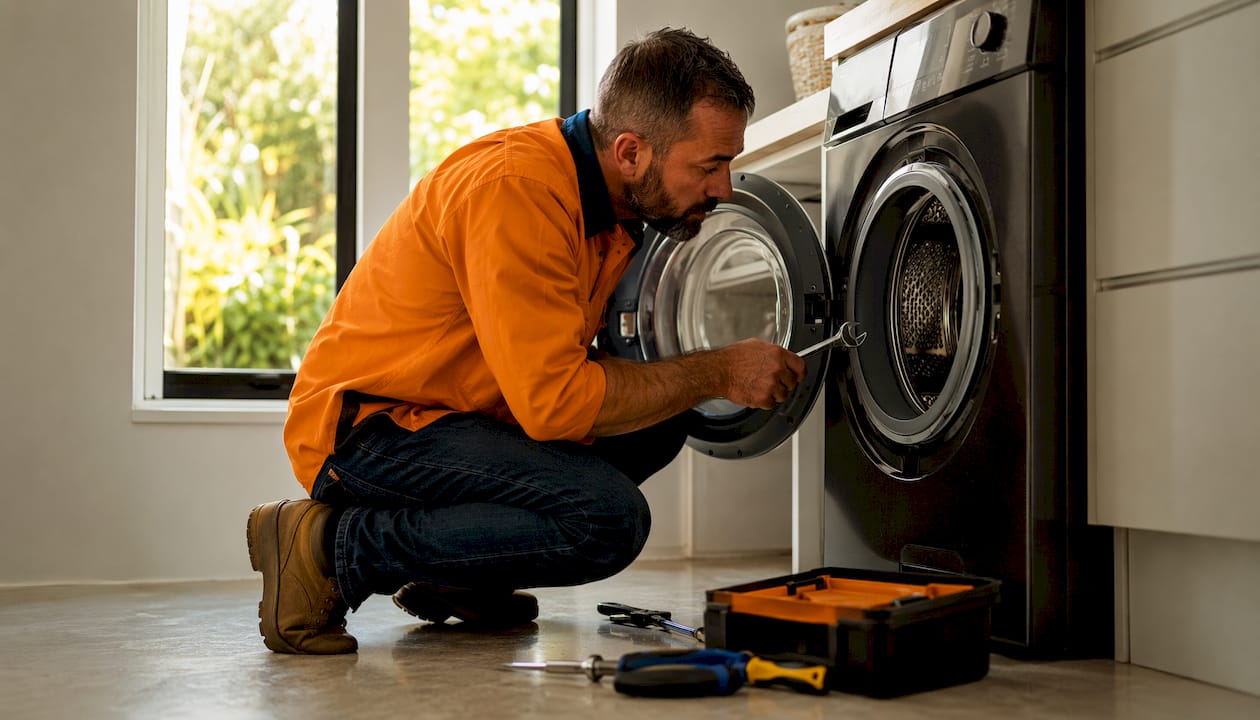
A slow spin cycle is most commonly caused by an unbalanced load, a blocked drain filter, or a worn mechanical component such as a drive belt or clutch. In many cases, the machine is not actually faulty; its built-in sensors have deliberately reduced spin speed to prevent damage. Before calling a technician, the following quick checks resolve the majority of spin cycle problems:
Redistribute laundry evenly around the drum and remove any single heavy items
Clean the drain filter and inspect the drain hose for kinks or blockages
Check that the machine sits level on the floor
Perform a reset by unplugging the machine for five minutes
Confirm the door or lid is locking correctly before restarting
What causes a slow or non-functioning spin cycle?
Unbalanced loads are the single most frequent cause of spin cycle problems. When laundry bunches to one side of the drum, the machine detects the imbalance and reduces spin speed, or halts spinning entirely, to protect the appliance. Symptoms include a cycle timer that appears stuck, excessive vibration, and clothes that emerge soaking wet.
Poor drainage is the second major culprit. Washing machines will not enter a full spin while water remains in the drum, because doing so could cause mechanical strain or flooding. Blocked filters, kinked drain hoses, and incorrectly installed standpipes all prevent water from exiting cleanly, thereby triggering the machine’s safety response and inhibiting the spin.
Mechanical wear is a less obvious but equally common cause. Drive belts, clutch assemblies, and motor couplers all degrade over time, much as brake pads wear down with repeated use. A slipping belt or a failing clutch typically produces inconsistent spin speeds, grinding noises, or visible debris beneath the machine. On Samsung front-loaders, a faulty hall sensor can prevent the control board from confirming motor speed, causing the machine to halt mid-cycle with error codes such as UE or E7.
The door lock or lid switch is another frequent failure point. Front-load machines will not spin unless the door latch confirms a secure close; top-loaders rely on a lid switch that can lose continuity over time. A machine that fills and washes normally but refuses to spin often has a door or lid lock fault rather than a motor problem.
Finally, load size and machine level both affect spin performance. Overloading prevents clothes from moving freely, which can cause the belt to slip on older models. A machine that is not sitting level will rock during spin, triggering the balance sensor and reducing speed. LG’s guidance confirms that a washer performs best when the drum is partially full, ideally not overfilled or underfilled.
Appliance experts emphasise starting with basic actions — clearing filters, checking levels, and redistributing laundry — to avoid unnecessary part replacements. Addressing these fundamentals first saves both time and money before any mechanical diagnosis is warranted.
How to diagnose and troubleshoot a slow spin cycle
Safety first
Before touching any internal components, unplug the machine from the mains and turn off the hot and cold water supplies. Never attempt mechanical inspection with the machine powered.
Step-by-step diagnosis
Check the load balance. Open the drum and inspect how the laundry is distributed. A single large towel, a duvet, or a pair of trainers washed alone can shift to one side and prevent the machine from reaching full speed. Redistribute items evenly, or add a second damp item to counterbalance a bulky piece, then restart a spin cycle.
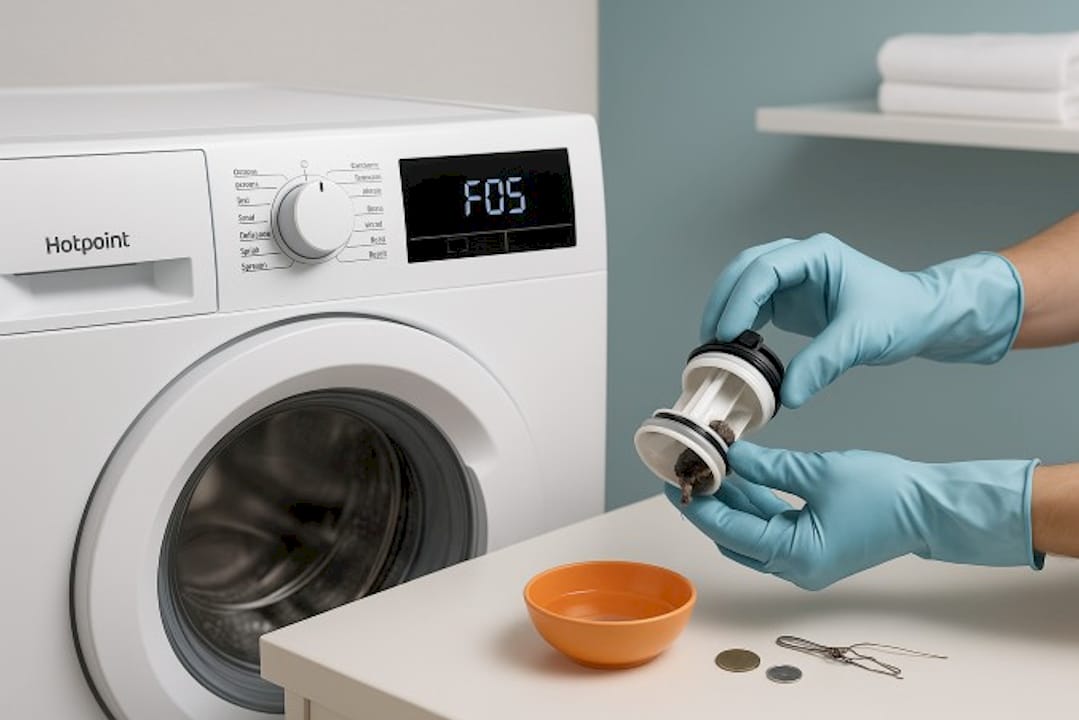
Inspect the drain filter. Locate the filter cover at the lower front of the machine. Place a towel and shallow tray beneath it, then slowly unscrew the cap to release residual water. Remove lint, coins, or fabric debris, rinse the filter under running water, and refit it securely. Samsung’s support guidance recommends this as a routine maintenance step whenever drainage appears slow.
Check the drain hose. Trace the full length of the hose for kinks, crushing, or sharp bends, particularly near the standpipe. Ensure the hose is not inserted too far into the standpipe, as this can cause siphoning that disrupts drainage and consequently affects spin performance. If accessible, disconnect the hose and flush it through to clear any blockage.
Test the door lock or lid switch. Close the door firmly and listen for the click of the latch engaging. On most top-loaders, you can manually depress the lid switch plunger while the machine is running; if the drum begins to spin, the switch has lost continuity and needs replacing. A multimeter test on a disconnected switch should show near-zero ohms in the closed position.
Check whether the drum turns freely. With the machine unplugged, rotate the drum by hand. Resistance or a complete inability to turn suggests a seized bearing, a broken belt, or an item lodged between the inner and outer tubs. Clothing trapped between the two tubs creates a drag that slows the spin noticeably.
Verify the machine is level. Place a spirit level on top of the appliance and check both front-to-back and side-to-side. Adjust the levelling feet until the machine sits flat and stable. Whirlpool’s product guidance notes that an unlevel machine can cause persistent imbalance errors even when the load itself is correctly distributed.
Reset the machine. Once you have corrected any load, drainage, or levelling issue, unplug the machine and wait five minutes before reconnecting power. This clears temporary error states and allows the control board to restart normally. Run a short spin or drain-and-spin cycle to confirm the fix.
Pro Tip: Homeowners sometimes mistake a frozen countdown timer for a serious fault. Samsung machines, for example, may pause with nine minutes remaining while the drum slowly redistributes an uneven load. Waiting a few minutes before intervening can save an unnecessary service call.
DIY fixes and when to call a professional
Many spin cycle faults are straightforward to address at home, provided the correct safety precautions are observed. Clearing a blocked filter, rebalancing a load, adjusting levelling feet, and performing a reset all require no specialist tools and carry minimal risk. Replacing a drive belt on a front-loader is also within reach for a confident DIY enthusiast; the back panel is removed to access the belt, which is inspected visually for breakage or slippage and replaced with an identical model.
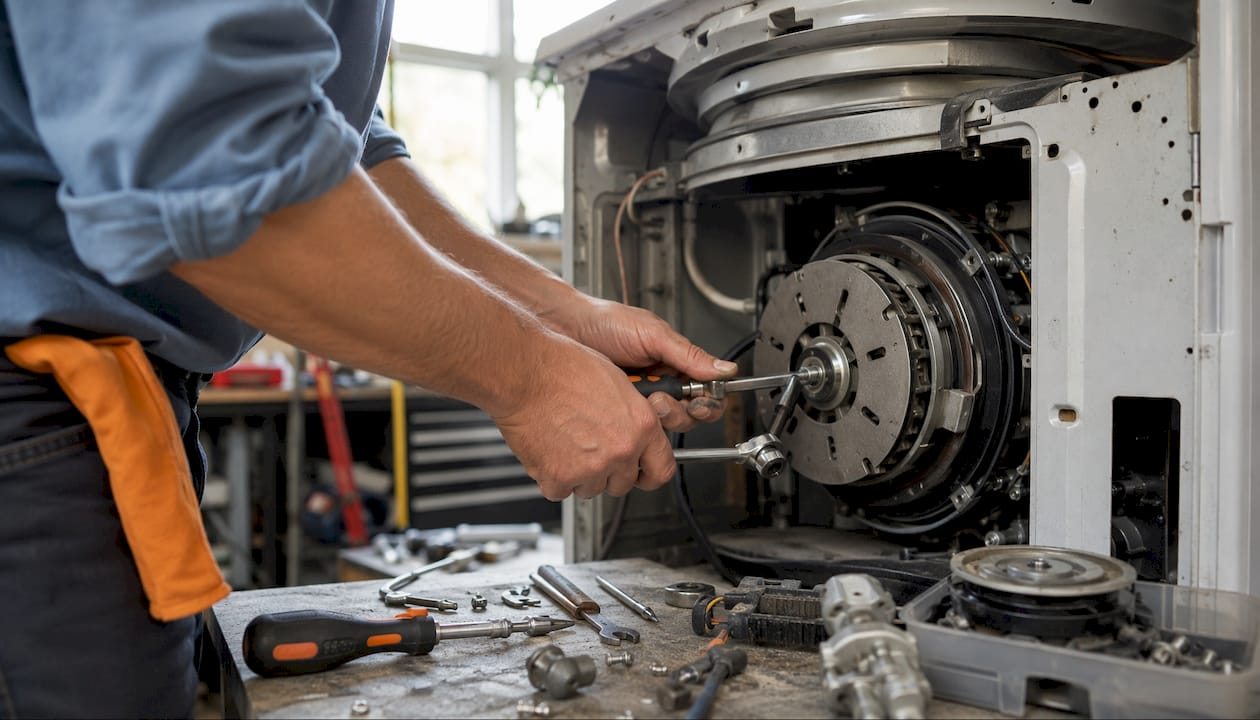
Professional diagnosis becomes necessary when the fault points to the motor, the control board, or the suspension system. On Samsung WF-series and LG WM-series front-loaders, the motor driver component on the control board can fail even when all mechanical parts test correctly; replacing the board without first testing the motor windings risks destroying the new part. Worn suspension rods on top-loaders or failed shock absorbers on front-loaders cause the tub to move beyond its design limits during spin, triggering repeated balance errors that no amount of load redistribution will resolve. If the machine shakes heavily with a balanced load, or if the same spin failure recurs every cycle despite correct loading and drainage, these are clear indicators that a qualified appliance technician should carry out a full mechanical assessment.
Repair costs vary depending on the fault and the machine’s age and model. A drive belt or motor coupler is typically an inexpensive part, with the bulk of the cost being labour. Control board replacement on premium Samsung or LG models can be considerably more, and at that point it is worth weighing the repair cost against the machine’s remaining service life.
How to prevent slow spin cycle problems
Consistent habits at the loading stage prevent the majority of spin cycle issues before they arise. The most effective single change is keeping loads to approximately two-thirds of the drum’s capacity, as LG’s technical guidance confirms this is the point at which the machine maintains balance and operates most effectively.
Balance mixed loads. Combine heavy items such as jeans or towels with lighter garments so the weight distributes evenly around the drum.
Use the correct cycle for bulky items. Duvets, blankets, and padded jackets concentrate weight on one side; cycles such as ‘Duvet’ or ‘Sportswear’ are specifically designed to manage this imbalance and achieve better spin results.
Measure detergent carefully. Excess suds cushion the load and can falsely trigger imbalance sensors, reducing spin effectiveness. Always use HE detergent in high-efficiency machines and follow the manufacturer’s dosage instructions.
Clean the drain filter monthly. A partially blocked filter does not always produce a visible error code, but it slows drainage sufficiently to affect spin performance over time.
Check the drain hose periodically. Inspect for kinks and confirm the hose is not inserted too far into the standpipe, which can cause siphoning.
Keep the machine level. Recheck the levelling feet after moving the appliance or if vibration increases noticeably.
Pro Tip: Never wash a single heavy item alone in the drum. A lone duvet or bath mat will always migrate to one side during spin. Adding a couple of towels or a second similar item gives the machine enough mass to distribute the load and reach full spin speed.
How do you reset a washing machine’s control board?
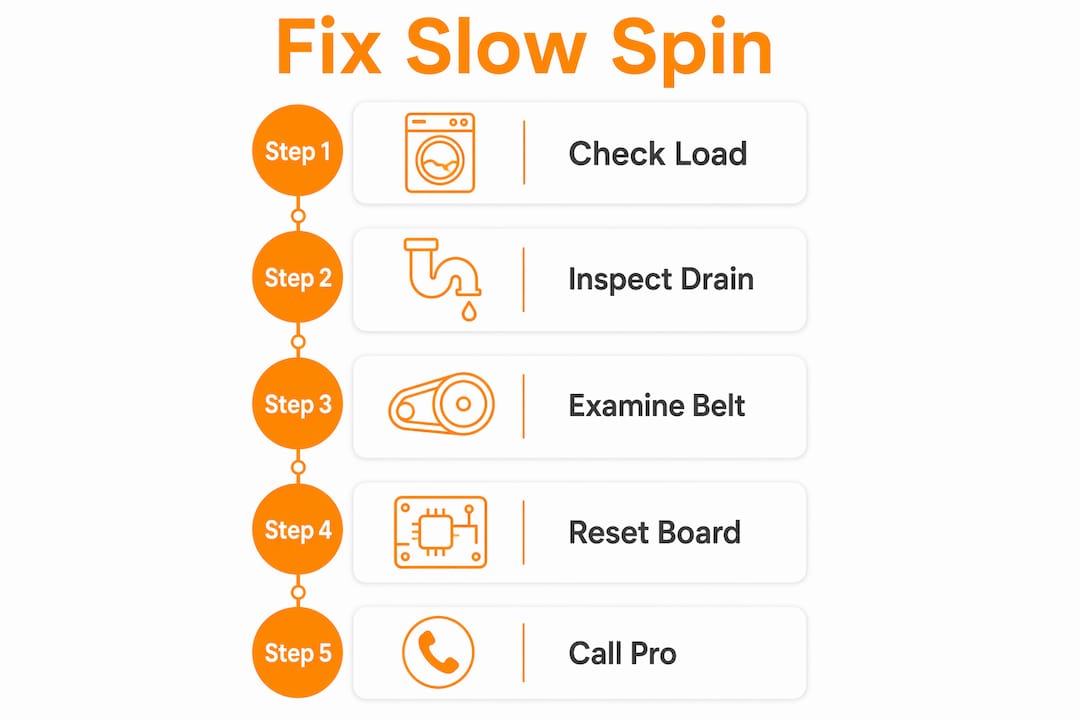
A control board reset clears temporary error states that can prevent the spin cycle from engaging after a load imbalance, a power interruption, or a drainage fault has been corrected. The procedure is straightforward and applies to most modern machines, including Whirlpool, Samsung, and LG models.
Turn the machine off using the power button, then unplug it from the mains socket. Wait a full five minutes; this allows the capacitors on the control board to discharge and the board’s memory to clear. Reconnect the power, select a short spin or drain-and-spin cycle, and start the machine. On many Samsung models, holding the Start/Pause button for several seconds after powering on also initiates a soft reset without requiring the machine to be unplugged.
A reset resolves issues caused by temporary interruptions but will not correct an underlying mechanical fault. If the spin problem returns on the next cycle, the root cause, whether a worn belt, a failing door lock, or a suspension issue, still requires attention. Whirlpool’s product guidance notes that a power failure during the spin phase can prevent the machine from ramping up to full speed; in that case, selecting a dedicated Drain and Spin cycle after the reset is the most direct way to clear residual water and complete the cycle.
Key takeaways
A slow spin cycle is almost always caused by a correctable condition rather than a major mechanical failure, and addressing load balance, drainage, and machine level resolves the majority of cases.
| Point | Details |
|---|---|
| Unbalanced loads are the primary cause | Redistribute laundry evenly and avoid washing single heavy items alone in the drum. |
| Drainage faults block spinning | Clean the drain filter monthly and check the hose for kinks or incorrect standpipe insertion. |
| A five-minute reset clears most errors | Unplug the machine, wait five minutes, then run a short spin cycle to confirm the fix. |
| Mechanical faults need careful diagnosis | Drive belts and couplers are DIY-friendly; motor or control board faults require a qualified technician. |
| Two-thirds drum capacity is optimal | Filling the drum to approximately two-thirds prevents balance errors and supports effective water extraction. |
If you have worked through these steps and the spin cycle is still underperforming, the fault likely lies with a component that warrants professional assessment. Elserve provides quality appliance repairs across London, with two-hour appointment slots so you are not left waiting with a drum full of wet laundry. Book a visit from a qualified technician who can diagnose and resolve the fault correctly the first time.
Recommended
Recent Post

How to fix a slow spin cycle in your washing machine
2026-09-20 03:37:36

Appliance repair call-out fee: what London homeowners pay
2026-09-07 09:04:41

The role of washing machine control board explained
2026-07-27 15:59:24
Looking for a fast and reliable appliance repair service?



ELSERVE is a registered company in England. Registered number 9798443. VAT number 407675383
Some images used on this website are stock photographs used for illustrative purposes only and may not depict ELSERVE employees, customers, or actual service visits


-
How to fix a slow spin cycle in your washing machine
2026-09-20 03:37:36
-
Appliance repair call-out fee: what London homeowners pay
2026-09-07 09:04:41
-
The role of washing machine control board explained
2026-07-27 15:59:24