
Repairs vs Maintenance: Cut Appliance Costs by 25% in 2026
2026-05-21 16:32:13
Homeowners across Greater London often confuse appliance repairs with routine maintenance, leading to unnecessary costs and frustrating downtime. Recent survey data reveals that 35% of local households experience extended appliance outages due to misclassifying service needs. Understanding the precise difference between these two types of servicing can dramatically reduce expenses, preserve warranty coverage, and keep your household running smoothly. This guide clarifies the distinctions and provides actionable strategies to manage your domestic appliances effectively.
Table of Contents
- Defining Repairs And Maintenance For Domestic Appliances
- Common Misconceptions About Repairs And Maintenance
- Financial And Practical Implications For Homeowners
- Practical Examples Of Repairs And Maintenance
- Conceptual Framework And Decision Model For Homeowners
- Practical Implications For Greater London Homeowners
- Summary And Next Steps: Managing Appliance Repairs And Maintenance Effectively
- Reliable Appliance Repairs And Maintenance Services In Greater London
Key Takeaways
| Point | Details |
|---|---|
| Repairs fix faults after appliances malfunction | Maintenance prevents breakdowns through scheduled care |
| Skipping maintenance raises repair costs by 25% | Regular servicing extends appliance lifespan and protects budgets |
| Proper maintenance preserves warranty coverage | Most UK warranties require documented routine care |
| Clear service classification reduces downtime by 35% | Greater London homeowners save time and money with informed decisions |
Defining Repairs and Maintenance for Domestic Appliances
Repairs address specific appliance failures or malfunctions that prevent normal operation. When your washing machine stops draining or your refrigerator compressor fails, you need corrective action to restore function. These interventions respond to breakdowns and typically involve replacing faulty components or recalibrating systems.
Maintenance consists of regular scheduled tasks designed to prevent faults and preserve optimal performance. Cleaning refrigerator coils quarterly, replacing oven filters every six months, and inspecting washer hoses annually all constitute maintenance. These proactive activities keep appliances running efficiently and catch minor issues before they escalate.
Consider filter cleaning versus part replacement. Removing lint from your dryer filter after each load represents maintenance that prevents fires and improves efficiency. Replacing a burned heating element after your dryer stops warming clothes is a repair. The timing and purpose differ fundamentally.
Pro Tip: Keep a maintenance log with dates and tasks completed for each appliance to simplify warranty claims and service scheduling.
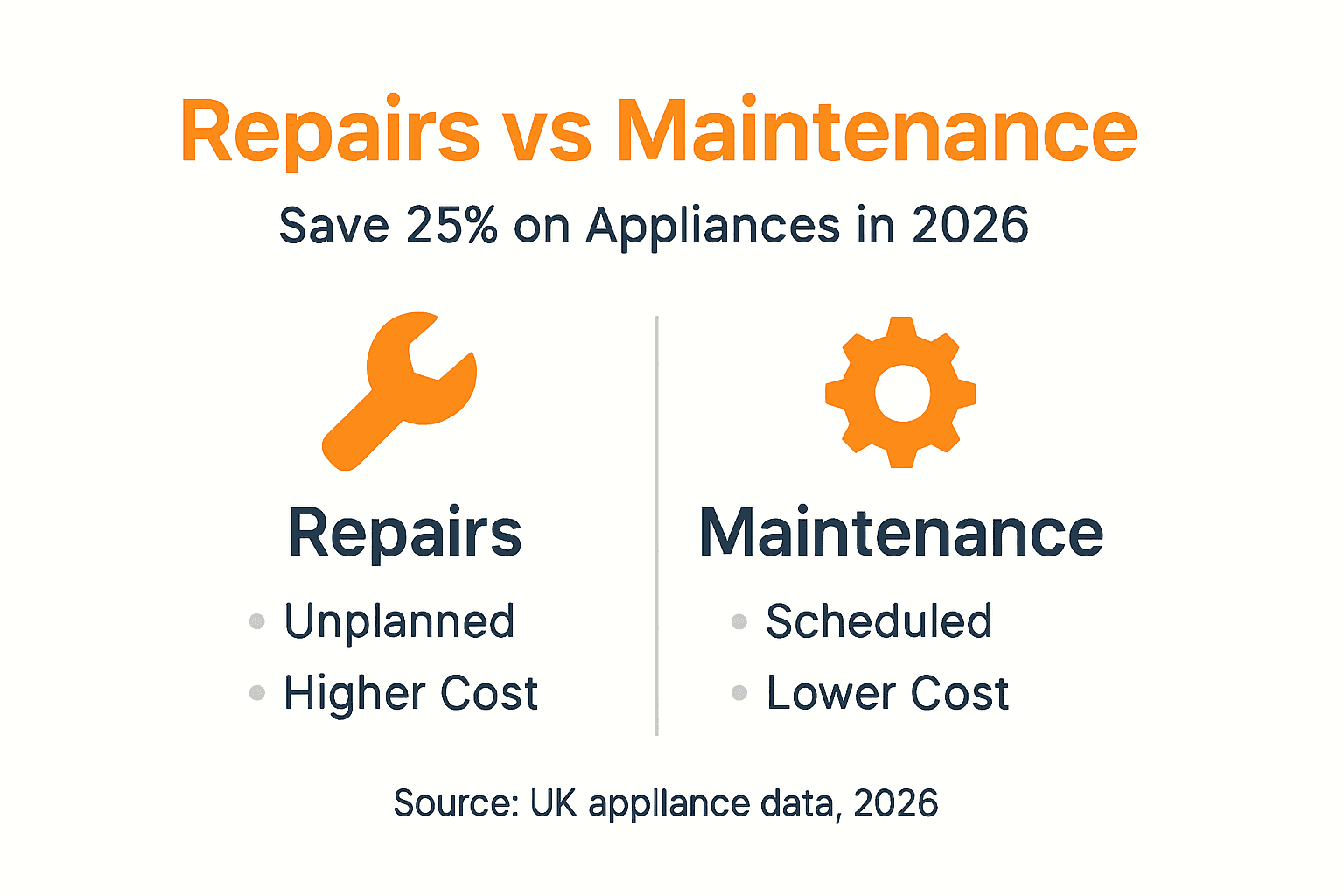
Here is how repairs and maintenance compare across key features:
| Feature | Repairs | Maintenance |
|---|---|---|
| Timing | Unplanned, reactive | Scheduled, proactive |
| Purpose | Fix existing faults | Prevent future problems |
| Cost | Typically £80-£300+ | Usually £40-£100 |
| Frequency | As needed when breakdowns occur | Regular intervals per manufacturer guidelines |
| Warranty Impact | May void coverage if maintenance was skipped | Required to maintain valid warranty |
Understanding these distinctions helps you allocate resources wisely and avoid the confusion that leads to costly emergency callouts. Distinguishing between preventive care and corrective fixes forms the foundation for smart appliance management.
Common Misconceptions About Repairs and Maintenance
Many homeowners believe maintenance only becomes necessary after problems emerge. This reactive mindset costs money and convenience. Research shows that preventive care reduces breakdown frequency by 40% compared to waiting for failures. Scheduled maintenance catches wear patterns early, allowing minor adjustments before major faults develop.
Another myth suggests repairs always involve high costs and lengthy waits. While complex repairs do require time and expense, many common fixes like replacing door seals or resetting electronic controls take under an hour and cost less than £100. The severity and urgency vary widely based on the specific fault.
Perhaps the most expensive misconception involves warranty coverage. Homeowners assume manufacturers will honour repair claims regardless of maintenance history. In reality, most UK appliance warranties explicitly require documented routine maintenance to remain valid. Skipping a £60 annual service can void coverage on a £400 compressor replacement.
Pro Tip: Store maintenance receipts and service records digitally and physically to protect warranty claims and prove compliance during disputes.
These misunderstandings create a vicious cycle. Skipped maintenance leads to premature failures, which trigger expensive repairs. Without valid warranties, homeowners bear full costs. The financial burden reinforces the mistaken belief that all servicing is prohibitively expensive, perpetuating the problem. Breaking this cycle requires accurate information and proactive scheduling.
Financial and Practical Implications for Homeowners
The cost difference between repairs and maintenance significantly impacts household budgets. Typical repair jobs range from £80 to £300, depending on the fault and appliance type. Routine maintenance visits generally cost £40 to £100 per appliance annually. Over a five year appliance lifespan, regular maintenance totals around £250 compared to potential repair costs exceeding £600 for multiple breakdowns.
Skipping maintenance increases both the likelihood and expense of repairs. Data indicates that neglected appliances require 25% more costly interventions than properly maintained units. A washing machine without annual hose inspections faces higher risk of catastrophic leaks requiring emergency plumbing alongside appliance repairs.
Warranty implications add another financial layer. Most manufacturers include maintenance requirements in warranty terms, meaning deferred care can void coverage entirely. Losing warranty protection on a premium appliance transforms a covered £200 repair into a full out of pocket expense.
Pro Tip: Schedule maintenance during off peak seasons when service availability improves and costs may be lower, ensuring you stay on track without budget strain.
Beyond direct costs, practical household management benefits emerge from proper service classification:
- Fewer emergency repairs mean less disruption to daily routines and cooking, cleaning, or laundry schedules
- Predictable maintenance windows allow advance planning around family commitments
- Extended appliance lifespans defer expensive replacement purchases
- Better budget forecasting with known annual maintenance costs versus unpredictable repair bills
| Service Type | Average Cost | Frequency | Annual Budget Impact |
|---|---|---|---|
| Routine Maintenance | £40-£100 | 1-2 times yearly | £50-£200 per appliance |
| Minor Repairs | £80-£150 | As needed | £0-£300 (variable) |
| Major Repairs | £200-£400 | Rare with maintenance | £0-£400 (avoidable) |
Greater London homeowners face higher living costs overall, making efficient appliance management crucial. Reducing unnecessary repairs through preventive care directly improves household financial health while maintaining comfort and convenience.
Practical Examples of Repairs and Maintenance
Understanding distinctions becomes easier with concrete examples across common domestic appliances. For washing machines, maintenance includes cleaning detergent dispensers, inspecting hoses for cracks, and running empty hot cycles with descaler quarterly. Repairs involve replacing worn door seals, fixing broken drum bearings, or addressing electrical control faults.
Refrigerators require different care. Maintenance tasks include vacuuming condenser coils, checking door seal integrity, and verifying correct temperature settings every few months. Repairs address compressor failures, thermostat malfunctions, or refrigerant leaks that stop cooling entirely.
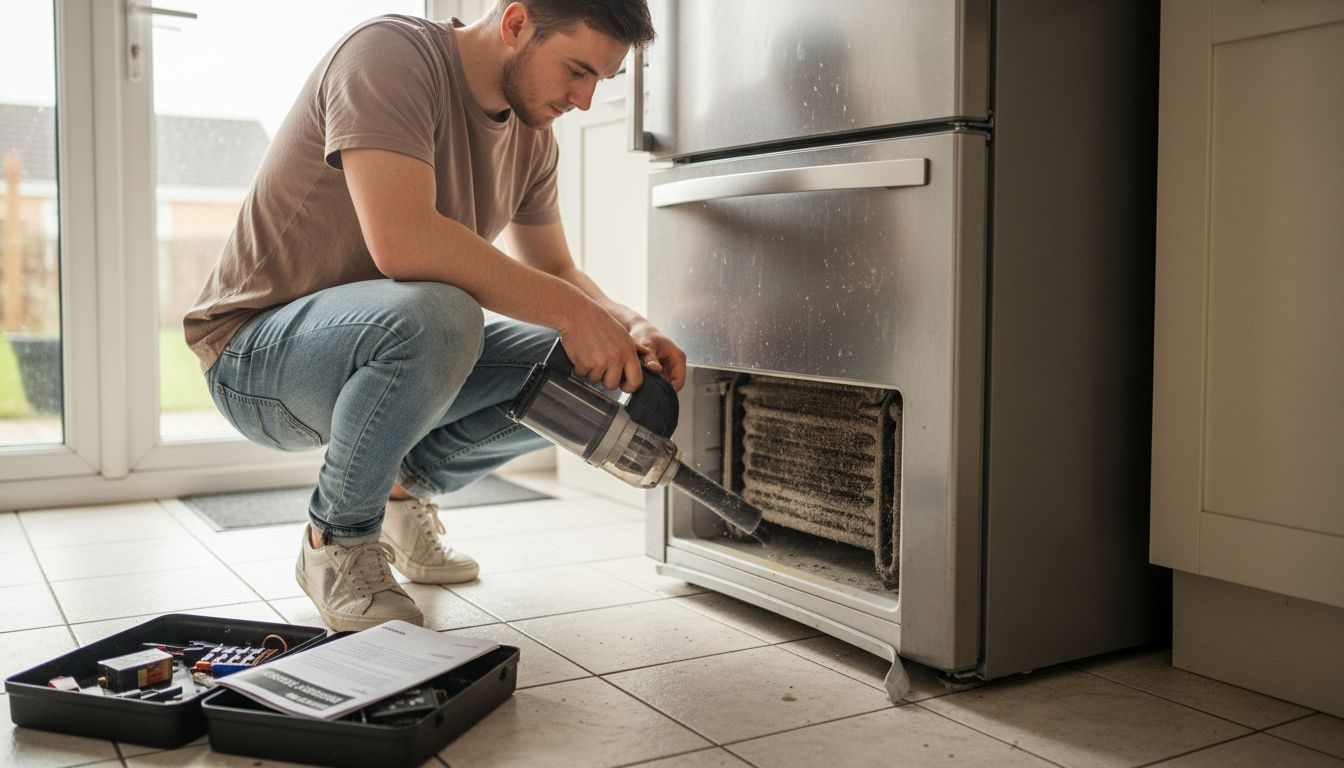
Ovens and cookers benefit from regular maintenance such as cleaning burner ports, testing ignition systems, and inspecting gas connections annually. Repairs become necessary when heating elements burn out, thermostats fail to regulate temperature, or door hinges break.
Heating appliances like boilers and water heaters follow similar patterns. Annual maintenance involves pressure checks, safety valve tests, and combustion efficiency verification. Repairs fix pump failures, replace corroded heat exchangers, or address ignition problems.
Time and cost differences between these service types prove substantial:
- Maintenance visits typically last 30 to 60 minutes with costs under £100
- Simple repairs may take 1 to 2 hours and cost £80 to £150 including parts
- Complex repairs requiring specialist components can extend to 3+ hours and exceed £300
The distinction matters for planning and budgeting. You can schedule maintenance around your availability, but repairs often demand urgent attention regardless of convenience. A leaking dishwasher or non heating oven cannot wait, forcing rushed arrangements and potential emergency service premiums.
Recognising these patterns helps you anticipate needs and avoid surprises. When you notice your refrigerator running louder than usual, that signals potential maintenance needs before a complete failure requires expensive repairs.
Conceptual Framework and Decision Model for Homeowners
A simple mental model helps classify service needs quickly and accurately. Maintenance represents planned, regular care preventing faults through scheduled interventions. Repairs constitute unplanned fixes responding to breakdowns or malfunctions that already occurred.
Use this step sequence to determine which service you need:
- Identify the issue by observing appliance behaviour and noting any changes from normal operation
- Check manufacturer manuals and warranty documentation for recommended maintenance schedules
- Determine if the appliance currently functions correctly or has stopped working properly
- Schedule routine maintenance if no faults exist but time intervals suggest service is due
- Arrange immediate repair if the appliance malfunctions or fails to perform its intended function
This framework aligns with UK servicing standards and helps allocate resources efficiently. When you catch unusual noises during the maintenance phase, addressing them costs far less than waiting for complete failure.
| Decision Point | Maintenance Path | Repair Path |
|---|---|---|
| Appliance Status | Functions normally | Malfunctions or fails |
| Service Timing | Scheduled at intervals | Immediate upon breakdown |
| Primary Goal | Prevent future problems | Restore current function |
| Cost Range | £40-£100 typically | £80-£400+ depending on fault |
| Warranty Impact | Maintains valid coverage | May void coverage if maintenance was skipped |
This model empowers confident decision making and removes guesswork from service planning. You know when to book routine care versus calling for emergency assistance. Clear classification also ensures warranty compliance by demonstrating you fulfilled maintenance obligations before faults developed.
Practical Implications for Greater London Homeowners
Local survey data reveals specific challenges facing Greater London households regarding appliance servicing. Misclassifying repairs and maintenance results in 35% more appliance downtime locally compared to areas with better service understanding. This extended unavailability disrupts busy household schedules and forces expensive workarounds like laundromats or takeaway meals.
Clear distinctions deliver measurable benefits for London homeowners:
- Lower overall servicing costs through preventive maintenance rather than reactive repairs
- Reduced appliance downtime keeping households running smoothly
- Better warranty compliance protecting against unexpected expenses
- Improved service planning around work and family commitments
Greater London presents unique factors affecting appliance management. Higher property costs mean appliances represent proportionally smaller household investments, yet downtime impacts remain significant. Dense urban living limits storage space for backup appliances, making reliability crucial. Service availability varies across boroughs, requiring advance planning for both maintenance and repairs.
Tailored recommendations for local homeowners include:
- Schedule annual maintenance visits during autumn or spring when demand drops and availability improves
- Maintain relationships with trusted local service providers who understand Greater London property types
- Keep detailed service records to satisfy warranty requirements and track appliance performance
- Budget £100 to £200 annually per major appliance for combined maintenance and minor repairs
- Act promptly when issues emerge to prevent minor problems from escalating into expensive failures
The 25% cost increase from skipped maintenance hits harder in an expensive city where every pound matters. Protecting your appliance investments through informed servicing decisions contributes directly to household financial stability and daily convenience.
Summary and Next Steps: Managing Appliance Repairs and Maintenance Effectively
Distinguishing between repairs and maintenance provides the foundation for effective appliance management. Repairs fix existing faults after breakdowns occur, typically costing more and requiring urgent attention. Maintenance prevents problems through scheduled care, preserving function at lower cost and on your timeline.
Routine maintenance saves money by reducing breakdown frequency by 40% and repair costs by 25%. This proactive approach also maintains valid warranty coverage, protecting you from bearing full repair expenses. The mental framework presented helps you classify service needs accurately and act appropriately.
Key actions to implement immediately:
- Review manufacturer recommendations and create maintenance schedules for each appliance
- Document all servicing with dates, tasks completed, and provider details for warranty compliance
- Address unusual appliance behaviour promptly during maintenance windows rather than waiting for failures
- Budget realistically for annual maintenance costs while building reserves for unexpected repairs
- Establish relationships with qualified service providers before emergencies arise
These steps reduce appliance downtime, lower lifetime ownership costs, and prevent the frustration of unexpected breakdowns. Greater London homeowners who implement clear service classification report better household management and improved financial predictability.
The distinction between preventive care and corrective fixes seems simple once understood, yet the impacts on your budget and daily life prove substantial. Taking control of appliance servicing through informed decisions delivers immediate and lasting benefits.
Reliable Appliance Repairs and Maintenance Services in Greater London
Applying these servicing principles requires access to trusted professionals who understand both repairs and preventive care. Whether your appliance needs routine maintenance to prevent problems or immediate repairs to restore function, working with experienced providers ensures quality outcomes and protects your investments.
Elserve delivers comprehensive appliance repair services throughout Greater London, helping homeowners maintain peak appliance performance while minimizing costs and downtime. Their team handles everything from scheduled maintenance visits that keep warranties valid to urgent repairs when unexpected breakdowns occur.
Flexible two hour appointment slots fit seamlessly into busy schedules, whether you need annual refrigerator maintenance or emergency washing machine repairs. This convenience helps you implement proper preventive care without disrupting work or family commitments. Elserve’s professional maintenance services support the strategies outlined here, giving you a reliable partner for all appliance servicing needs across Greater London.
Frequently Asked Questions
What is the main difference between appliance repair and maintenance?
Repairs fix specific faults after an appliance breaks down or malfunctions, restoring it to working condition. Maintenance consists of regular scheduled tasks that prevent breakdowns before they occur through cleaning, inspection, and minor adjustments. Repairs are reactive responses to problems, while maintenance represents proactive care that keeps appliances functioning reliably.
How does skipping maintenance affect my appliance warranty?
Most UK appliance warranties explicitly require proof of regular maintenance as a condition of coverage. Manufacturers can deny repair claims if you cannot demonstrate compliance with recommended service schedules. Keeping detailed maintenance records with dates, tasks completed, and service provider details protects your warranty rights and avoids expensive out of pocket repair costs.
Can I tell when an appliance needs maintenance versus repair?
Malfunctions like complete power loss, water leaks, or failure to heat indicate repair needs requiring immediate attention. If your appliance functions normally but has gone six months or longer since the last service, maintenance is likely due based on manufacturer schedules. Consult your user manual for specific intervals and use the decision framework provided to classify service needs accurately.
Why do repairs cost more than maintenance?
Repairs address existing damage or component failures requiring part replacements and diagnostic work to identify root causes. Maintenance prevents problems through simpler tasks like cleaning and inspection before faults develop. The complexity difference means repairs typically cost £80 to £300+ while maintenance visits range from £40 to £100, making preventive care significantly more economical.
How often should I schedule appliance maintenance?
Most manufacturers recommend annual maintenance for major appliances like refrigerators, washing machines, and ovens. Some high use appliances or those in hard water areas may benefit from semi annual service. Check your specific appliance manual for recommended intervals and adjust based on usage patterns and local conditions to maximize performance and lifespan.
Recommended
Recent Post

ELSERVE Joins Which? Trusted Traders
2026-09-30 15:29:14

How to fix a slow spin cycle in your washing machine
2026-09-20 03:37:36

Appliance repair call-out fee: what London homeowners pay
2026-09-07 09:04:41
Looking for a fast and reliable appliance repair service?




ELSERVE is a registered company in England. Registered number 09798443. VAT number 407675383
Some images used on this website are stock photographs used for illustrative purposes only and may not depict ELSERVE employees, customers, or actual service visits


-
ELSERVE Joins Which? Trusted Traders
2026-09-30 15:29:14
-
How to fix a slow spin cycle in your washing machine
2026-09-20 03:37:36
-
Appliance repair call-out fee: what London homeowners pay
2026-09-07 09:04:41