
5 Laundry Mistakes That Cut Machine Lifespan by 50%
2026-06-20 13:14:42
Research shows that exceeding machine load capacity by just 10% significantly raises breakdown likelihood, yet most London homeowners unknowingly make this mistake daily. Simple errors in detergent use, sorting, and maintenance quietly damage both clothes and appliances, costing hundreds in repairs and replacements. This guide reveals five critical laundry mistakes and practical solutions tailored to UK homes, helping you preserve fabrics and extend machine life while managing utility costs in London homes and water efficiency tips for London homes.
Table of Contents
- How To Evaluate Laundry Practices: Your Selection Criteria
- Avoid Overloading Your Washing Machine
- The Right Way To Use Detergent
- Follow Fabric Care Labels Exactly
- Sort Laundry By Colour And Fabric Type
- Proper Temperature Settings And Laundry Preparation
- Maintain Your Washing Machine For Longevity
- Summary Comparison Of Laundry Mistakes And Solutions
- Tailored Laundry Tips For Common London Scenarios
- Get Expert Washing Machine Repairs And Maintenance In London
- FAQ
Key Takeaways
| Point | Details |
|---|---|
| Overloading damages machines | Exceeding 75% drum capacity strains motor and reduces cleaning effectiveness |
| Detergent amount matters | Two tablespoons per load prevents residue buildup and fabric stiffness |
| Care labels prevent damage | Following temperature and cycle instructions stops shrinking and fading |
| Sorting saves clothes | Separating colours and fabrics avoids bleeding and material wear |
| Regular maintenance extends life | Monthly seal cleaning and maintenance washes prevent breakdowns |
How to Evaluate Laundry Practices: Your Selection Criteria
Understanding the fundamentals of effective laundry care helps you protect both garments and appliances. Detergent quantity impacts fabric and machine health, while correct load size and care label adherence are essential for longevity.
Your laundry success depends on mastering six core criteria:
- Match detergent amounts to water hardness and fabric types to prevent buildup
- Load machines to 75% capacity maximum for optimal cleaning circulation
- Read UK garment care labels before every wash to avoid irreversible damage
- Sort laundry by colour intensity, fabric weight, and soil level
- Select wash temperatures based on fabric sensitivity and garment construction
- Maintain washing machine components monthly to prevent costly repairs
These criteria form the foundation for the detailed guidance that follows. Each mistake we examine violates one or more of these principles, causing damage that accumulates over time. When you need professional support, appliance repair services can address mechanical issues before they escalate.
Pro Tip: Create a simple checklist on your phone with these six criteria. Review it weekly until proper habits become automatic, especially if you share laundry duties with flatmates or family.
The UK laundry guide provides additional context for British water conditions and fabric standards. Next, we examine the single most damaging mistake that affects nearly every household.
Avoid Overloading Your Washing Machine
Overloading washing machines reduces detergent and water effectiveness and strains mechanical parts significantly. When you pack clothes too tightly, water and detergent cannot circulate properly, leaving garments improperly cleaned and detergent residue trapped in fibres.
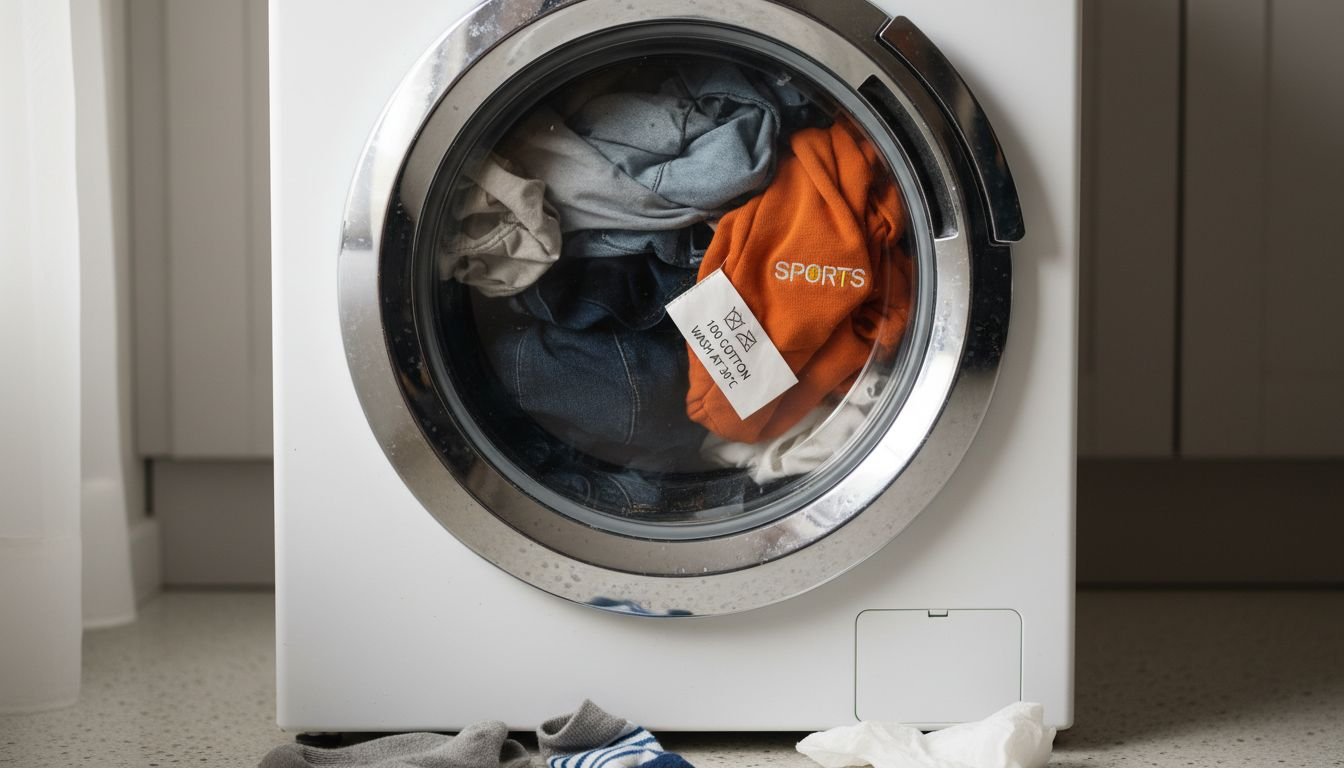
The optimal drum fill sits at roughly 75% capacity. This allows clothes to tumble freely, ensuring thorough cleaning and rinsing. Compact machines common in London flats are particularly vulnerable to overloading damage because their smaller motors work harder when strained.
Overloading creates several serious problems:
- Reduces water circulation, leaving detergent residue and dirt in fabrics
- Stresses motor bearings and drum suspension, accelerating wear
- Increases vibration and noise, potentially damaging surrounding cabinetry
- Extends cycle times as the machine struggles to move heavy loads
- Causes premature seal and gasket failures from excessive pressure
Measure load sizes by filling the drum loosely until clothes reach the top of the drum window. Your hand should fit comfortably on top of the load with space to move. For heavily soiled items or bulky fabrics like towels and jeans, reduce loads to 50% capacity.
In 2023, overloading caused 34% of all washing machine motor failures in London homes, according to appliance repair data.
In small flats where laundry space is limited, resist the temptation to cram everything into one cycle. Washing machine repair services frequently address motor and drum issues caused by chronic overloading. Running two smaller loads takes slightly more time but prevents hundreds in repair costs.
Pro Tip: Keep a permanent marker line inside your laundry basket at the 75% level. When clothes reach that line, you have a full load ready without guessing or overfilling.
The Right Way to Use Detergent
Using too much detergent causes residue buildup, stiff fabrics, skin irritation, and unpleasant odours. Excess suds cannot rinse completely, leaving a film that attracts dirt and reduces fabric softness. Modern concentrated detergents require far less product than older formulations, yet many people still use outdated measurements.
The standard recommendation is approximately two tablespoons of detergent per load. However, adjust detergent amounts based on local London water hardness to prevent residue and maintain fabric softness. Hard water areas need slightly more detergent, while soft water areas need less.
Follow these detergent guidelines:
- Use liquid detergents for coloured and dark garments to prevent fading
- Reserve powder detergents with bleach exclusively for white loads
- Reduce detergent by half for lightly soiled everyday clothing
- Add detergent directly to the drum for better dissolution in cold washes
- Avoid fabric softener on towels and athletic wear as it reduces absorbency
Detergent buildup inside machines creates breeding grounds for mould and bacteria. This causes musty odours that transfer to clean laundry. Regular maintenance washes with hot water and no detergent help clear accumulated residue from hidden components.
Pro Tip: Measure detergent precisely using the dosing cap lines rather than estimating. Pour excess back into the bottle immediately to avoid waste and buildup. Most people use three times the necessary amount simply from careless pouring.
The laundry habits to stop immediately guide from Which? reinforces these dosing principles with consumer testing data. Proper detergent use protects both clothes and machines while reducing chemical waste.
Follow Fabric Care Labels Exactly
Ignoring care labels leads to shrinking, fading, and fabric damage because labels provide key temperature and cycle instructions. UK care labels use standardised symbols that specify wash temperature, drying method, ironing heat, and bleach compatibility. These instructions reflect fabric composition and construction methods that determine how garments withstand washing.
Common care label symbols include a tub icon showing maximum wash temperature, a triangle for bleach guidance, a square for drying instructions, and an iron shape for pressing heat. Numbers inside the tub indicate Celsius temperature limits. A hand in the tub means hand wash only, while an X through any symbol prohibits that treatment.
The risks of ignoring these instructions include:
- Irreversible shrinking when hot water hits cold wash fabrics
- Colour bleeding and fading from excessive heat or harsh cycles
- Fabric weakening and tears from aggressive agitation
- Pilling and surface damage on delicate materials
- Embellishment loss on decorated or structured garments
For delicate items like silk, wool, and lingerie, always use gentle cycles at 30°C or hand wash in cool water. Zip all zippers and fasten hooks to prevent snagging. Turn embellished or printed garments inside out to protect decorative elements.
Create a simple routine: check every care label before sorting laundry. Group garments by their most restrictive instruction. If one item requires cold wash while others allow warm, wash the entire group cold. This approach protects all garments without requiring separate cycles.
Following care labels optimises both garment lifespan and machine performance. Properly matched loads prevent damage while ensuring thorough cleaning. The small effort of reading labels saves significant money in clothing replacement and repair costs.
Sort Laundry by Colour and Fabric Type
Sorting laundry by colour and fabric prevents colour transfer and material damage while improving wash quality. Mixing white cotton shirts with dark denim or delicate synthetics with heavy towels creates problems ranging from greying whites to torn fabrics. Proper sorting ensures each load receives appropriate treatment.
Divide laundry into three primary colour groups: whites, darks, and bright colours. Whites include pure white and cream items that can withstand bleach. Darks encompass black, navy, and deep colours prone to bleeding. Brights cover vivid hues like red, orange, and royal blue that may transfer dye.
Within colour groups, separate by fabric weight and type:
- Heavy cottons like jeans, towels, and work clothes
- Medium weight everyday items like T shirts and casual trousers
- Delicates including underwear, tights, and lightweight blouses
- Synthetics such as polyester and nylon athletic wear
When full sorting proves impractical, use colour catch sheets that absorb loose dyes during washing. These sheets allow mixed colour loads with reduced bleeding risk, though they work best for lightly worn items with minimal soil. Always separate heavily soiled work clothes or gym gear into dedicated loads.
| Sorting Method | Ease of Use | Effectiveness | Best For |
|---|---|---|---|
| Full separation | Moderate | Highest | Complete wardrobe care |
| Colour groups only | Easy | Good | Busy households |
| Colour catch sheets | Very easy | Moderate | Mixed loads, light soil |
| Fabric type only | Moderate | Good | Similar colour wardrobes |
Pro Tip: Keep three small baskets or use shelf dividers labelled for whites, darks, and colours. Sort items immediately when undressing rather than facing a large pile later. This system makes laundry day faster and prevents sorting errors.
Proper Temperature Settings and Laundry Preparation
High washing or drying temperatures cause shrinking, fading, and excessive wear, while most clothes wash best at 30°C to 40°C. Modern detergents clean effectively at lower temperatures, making hot washes unnecessary except for heavily soiled items or sanitising requirements. Excessive heat damages elastic fibres, sets stains permanently, and wastes energy.
Wash cotton and linen at 40°C for regular cleaning or 60°C when sanitising is needed. Synthetic fabrics like polyester and nylon require 30°C to prevent heat damage and static buildup. Wool and silk demand cold water at 20°C or hand washing to maintain structure and softness. Mixed fabric loads should use the lowest temperature required by any item.
Tumble drying presents similar risks. High heat shrinks natural fibres and melts synthetic materials. Use low heat settings for most items and air dry delicates, wool, and structured garments. Remove items while slightly damp to reduce wrinkling and finish drying on hangers or racks.
Before washing, complete these preparatory steps:
- Zip all zippers to prevent snagging other garments
- Unbutton buttons to reduce stress on buttonholes
- Empty all pockets of tissues, coins, and small items
- Turn printed or embellished items inside out
- Place delicates in mesh laundry bags for protection
- Treat visible stains with appropriate pre wash products
Pro Tip: When fabric content or proper temperature is uncertain, choose the lower temperature and gentle cycle. Underwashing is easily corrected by rewashing, but heat damage is permanent. This cautious approach protects garments while you learn their care requirements.
Maintain Your Washing Machine for Longevity
Regular cleaning of seals and detergent drawers prevents odours and machine malfunctions, with monthly maintenance cycles recommended. Neglected machines develop mould in rubber seals, detergent buildup in dispensers, and blocked filters that reduce efficiency. These issues cause unpleasant smells, poor cleaning performance, and eventual mechanical failures.
Clean the rubber door seal monthly by wiping with a solution of equal parts water and white vinegar. Pay special attention to the folds where moisture and debris accumulate. Remove and wash the detergent drawer thoroughly, scrubbing away any sticky residue or mould growth. These simple tasks prevent most odour problems.
Maintenance wash cycles clear hidden buildup from internal components:
- Run an empty hot wash at 90°C monthly with no detergent
- Add two cups of white vinegar to the drum for descaling
- Leave the door and detergent drawer open between uses for airflow
- Check and clean the filter every three months for debris
- Inspect inlet hoses annually for cracks, bulges, or mineral deposits
Detergent overdosing accelerates internal buildup, creating sticky residue on drum surfaces and in drain pipes. This residue traps lint and dirt, eventually causing blockages and drainage problems. Using correct detergent amounts as discussed earlier prevents this accumulation.
Pro Tip: Leave the washing machine door open for several hours after each use to air out the drum and prevent mildew growth. This simple habit eliminates most odour issues without any cleaning products. Set a phone reminder if you tend to forget.
When maintenance cannot resolve issues, washing machine servicing and repair addresses mechanical problems before they cause complete breakdowns. Professional technicians identify worn components and prevent failures that strand you without laundry facilities.
Summary Comparison of Laundry Mistakes and Solutions
This comprehensive table consolidates the main laundry mistakes, their specific impacts, and recommended corrective actions for quick reference. Use this summary when you need rapid guidance or want to share advice with household members.
| Mistake | Impact on Clothes | Impact on Machine | Corrective Action |
|---|---|---|---|
| Overloading drum | Poor cleaning, detergent residue, increased wear | Motor strain, bearing damage, seal failures | Fill drum to 75% maximum, run smaller loads |
| Excess detergent | Stiff fabrics, residue buildup, skin irritation | Internal buildup, mould growth, drainage issues | Use two tablespoons per load, adjust for water hardness |
| Ignoring care labels | Shrinking, fading, fabric damage, tears | Unnecessary strain from inappropriate cycles | Check labels before washing, group by restrictions |
| Not sorting | Colour bleeding, greying whites, fabric tears | Unbalanced loads, excessive vibration | Separate by colour and fabric weight consistently |
| Wrong temperature | Heat damage, shrinking, fading, set stains | Energy waste, unnecessary wear | Use 30°C to 40°C for most items, cold for delicates |
| Poor maintenance | Musty odours transferred to clean laundry | Mould growth, component failures, breakdowns | Clean seals monthly, run maintenance washes, air out drum |
Each mistake compounds over time, gradually degrading both wardrobe and appliance. The corrective actions require minimal extra effort but deliver substantial benefits in clothing longevity and machine reliability. Implementing even two or three of these changes produces noticeable improvements within weeks.
Tailored Laundry Tips for Common London Scenarios
London homeowners and renters face unique laundry challenges including compact machines, variable water hardness, and busy schedules. These tailored recommendations address specific situations common in the city.
Small flats with compact machines: Avoid the temptation to overload your smaller drum. Run loads at 60% to 70% capacity instead of the standard 75% because compact motors have less power reserve. Schedule laundry on less busy days when you can run multiple smaller loads comfortably.
Hard water areas: Check water hardness in London areas to determine your local conditions. Reduce detergent amounts by one third in hard water zones to prevent excessive suds and residue. Add a water softening product occasionally to protect machine components from limescale buildup.
Mixed fabric loads with limited time: Use colour catch sheets when combining colours saves time, but limit this to lightly worn items. Keep heavily soiled work clothes separate regardless of colour. Wash delicates in mesh bags within regular loads rather than waiting for full delicate cycles.
Delicate fabric care in busy households: Hand wash truly delicate items like silk and lace in a small basin while doing other tasks. This takes five minutes and prevents damage from machine cycles. Hang items to dry immediately rather than leaving them in the drum where wrinkles set.
Preventing buildup in soft water areas: Soft water requires less detergent but rinses more thoroughly. Use one tablespoon per load and skip fabric softener entirely as clothes naturally feel softer. Run hot maintenance washes monthly even though buildup occurs more slowly.
These adjustments account for real London living conditions rather than ideal laboratory settings. Small modifications to standard advice produce better results when matched to your specific situation and constraints.
Get Expert Washing Machine Repairs and Maintenance in London
Implementing proper laundry practices protects your washing machine, but professional maintenance ensures optimal performance and longevity. Even with careful use, mechanical components eventually wear and require expert attention. Quality appliance repairs address issues before they escalate into costly breakdowns.
Our washing machine servicing includes thorough inspection of motors, drums, seals, and electronic controls. We identify wear patterns and potential failures, replacing components proactively to prevent emergency situations. Regular professional maintenance extends machine lifespan by years while maintaining cleaning effectiveness.
London appliance repair services offer convenient two hour time slots that fit busy schedules. We service all major brands across Greater London, arriving prepared with common parts to complete most repairs in a single visit. Book your inspection today to ensure your washing machine operates efficiently for years to come.
FAQ
What happens if I regularly overload my washing machine?
Overloading strains the motor and drum bearings, causing frequent breakdowns and poor cleaning results. The risk increases notably when loads exceed machine capacity by 10% or more. Regular overloading can reduce machine lifespan by up to 50%.
How much detergent should I use for a typical UK laundry load?
Use approximately two tablespoons of detergent per standard load. Adjust amounts based on local water hardness, using slightly less in soft water areas and marginally more in hard water zones to prevent residue buildup and maintain fabric softness.
Why is sorting laundry by colour and fabric important?
Sorting prevents colour transfer between garments and protects delicate fabrics from damage by heavy items. It ensures appropriate wash cycles for different fabric types, improving cleaning effectiveness and extending garment lifespan significantly.
What simple steps help maintain my washing machine at home?
Clean rubber seals and the detergent drawer monthly with vinegar solution. Run hot maintenance washes without detergent every four weeks. Leave the door open after use to air out the drum and prevent mould growth. For persistent issues, schedule professional washing machine servicing to address mechanical concerns.
Recommended
Recent Post

Appliance repair call-out fee: what London homeowners pay
2026-09-07 09:04:41

The role of washing machine control board explained
2026-07-27 15:59:24

Why dishwasher pumps fail: causes, symptoms, and fixes
2026-07-23 23:53:23
Looking for a fast and reliable appliance repair service?



ELSERVE is a registered company in England. Registered number 9798443. VAT number 407675383


-
Appliance repair call-out fee: what London homeowners pay
2026-09-07 09:04:41
-
The role of washing machine control board explained
2026-07-27 15:59:24
-
Why dishwasher pumps fail: causes, symptoms, and fixes
2026-07-23 23:53:23