
What causes ovens to trip electrics and how to prevent it
2026-06-20 13:29:13
Many homeowners believe oven electrical trips are straightforward issues, perhaps a blown fuse or a faulty plug. In reality, earth leakage faults are the primary cause of ovens tripping RCDs, often originating from heating element insulation breakdown or internal wiring degradation. These faults create dangerous conditions that modern circuit protection detects immediately. This article explains the technical causes behind oven trips, how improper installation exacerbates the problem, and practical steps you can take to prevent recurring issues whilst ensuring your kitchen remains safe and compliant with current electrical standards.
Table of Contents
- Common Causes Of Ovens Tripping Electrics
- How Improper Installation Contributes To Oven Electrical Trips
- Troubleshooting And Inspecting Your Oven Safely
- Preventing Oven Electrical Trips And Ensuring Safety
- Professional Oven Electrical Repair And Installation In London
- FAQ
Key takeaways
| Point | Details |
|---|---|
| Earth leakage primary cause | Heating element insulation breakdown creates earth faults that trip RCDs protecting your home. |
| Installation errors compound risk | Undersized cables and incorrect breaker ratings cause overheating and frequent trips. |
| Component failures trigger trips | Selector switches, fan motors, and control boards can develop faults causing circuit protection activation. |
| Dedicated circuits essential | Ovens require dedicated radial circuits with appropriate 32A or 40A breakers for safe operation. |
| Professional inspection crucial | Qualified electricians identify hidden faults and ensure compliance with BS 7671 wiring regulations. |
Common causes of ovens tripping electrics
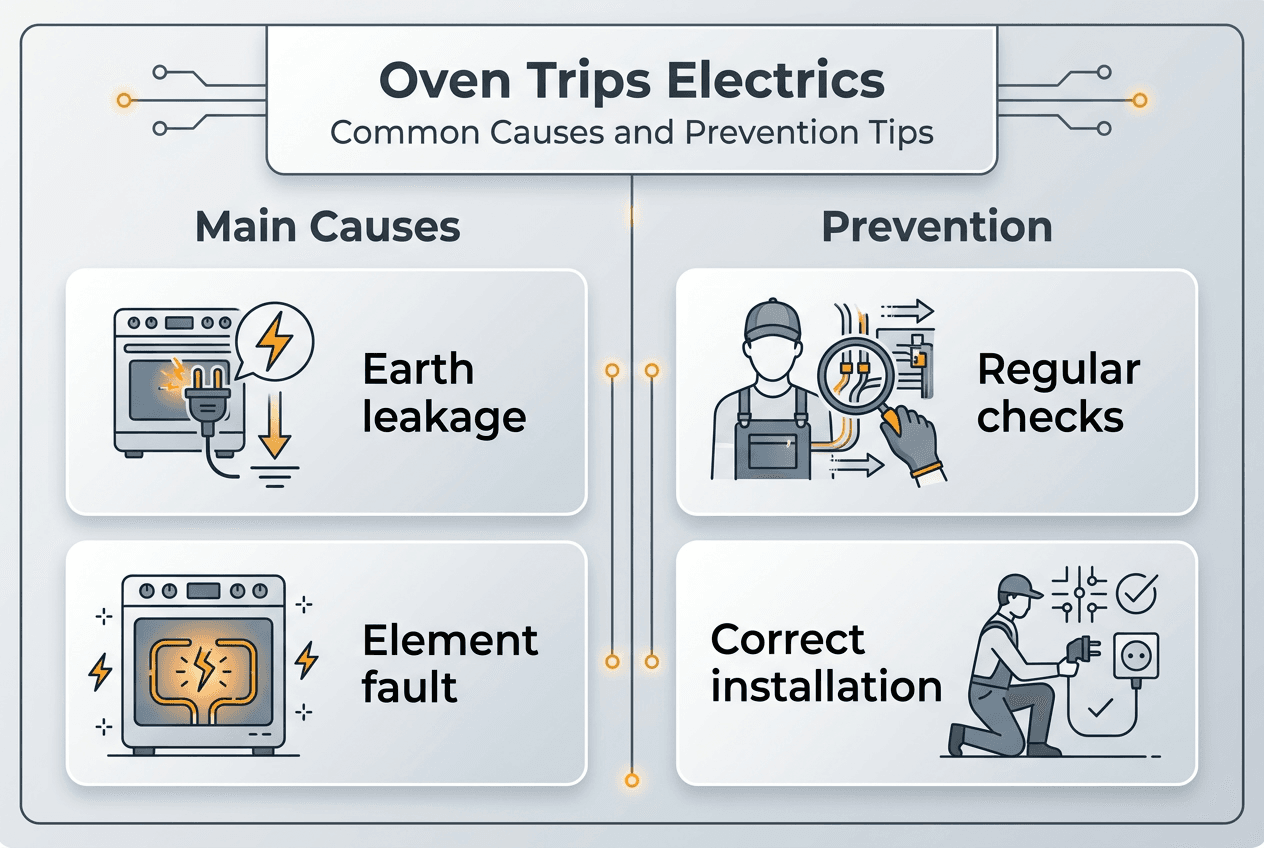
The overwhelming majority of oven electrical trips stem from earth leakage faults within the appliance itself. Your oven contains multiple heating elements, each wrapped in insulation that degrades over time through repeated heating cycles and exposure to moisture. When this insulation fails, electrical current escapes to earth through the metal casing, instantly triggering your residual current device. Heating elements and wiring insulation breakdowns commonly cause trips because the extreme temperatures these components endure accelerate material deterioration.
Beyond heating elements, several other internal components can develop faults that trip your electrics. Selector switches control which heating elements activate, and their internal contacts can corrode or short circuit over years of use. Fan motors in convection ovens contain windings that may develop earth faults, particularly if moisture penetrates the motor housing. Control boards with damaged tracks or failed components create unexpected current paths to earth. Each of these failures presents a legitimate electrical hazard that your RCD correctly identifies.
Physical damage to internal wiring creates another common trip scenario. Oven cables endure significant thermal stress, and their insulation can become brittle and crack. Metal cradles supporting heating elements sometimes develop flaking paint or corrosion, and when these bare metal surfaces contact live components, they create direct shorts to earth. You might notice intermittent tripping that worsens over time as insulation damage progresses. This pattern indicates advancing deterioration requiring immediate attention.
Pro Tip: Before investigating any oven fault, switch off the circuit breaker and physically disconnect the appliance from the mains supply. Ovens operate at high voltages and currents that present serious electrocution risks even when switched off at the control panel.
Understanding the technical causes of oven trips empowers you to recognise warning signs early and seek professional help before minor faults escalate into dangerous failures or complete appliance breakdown.
Some homeowners mistakenly believe that tripping always indicates a simple overload, but modern RCDs detect earth leakage currents as small as 30 milliamps. This sensitivity means even minor insulation faults trigger protection long before cables overheat or fire risks develop. Your circuit protection works exactly as designed when it trips, preventing potential electrocution or fire. Never ignore repeated trips or attempt to bypass protection devices, as these actions remove the safety barriers protecting your household. Proper kitchen ventilation fire prevention practices complement electrical safety by reducing moisture and heat stress on appliance components.
How improper installation contributes to oven electrical trips
Electric ovens demand dedicated radial circuits with appropriately rated protection devices, typically 32A or 40A breakers depending on the appliance power rating. Many installation problems arise when homeowners or unqualified individuals connect ovens to existing ring circuits designed for general socket outlets. These circuits lack the capacity to safely supply the sustained high currents ovens draw, particularly when multiple heating elements operate simultaneously. The result is nuisance tripping, cable overheating, and potential fire hazards that proper installation would eliminate.
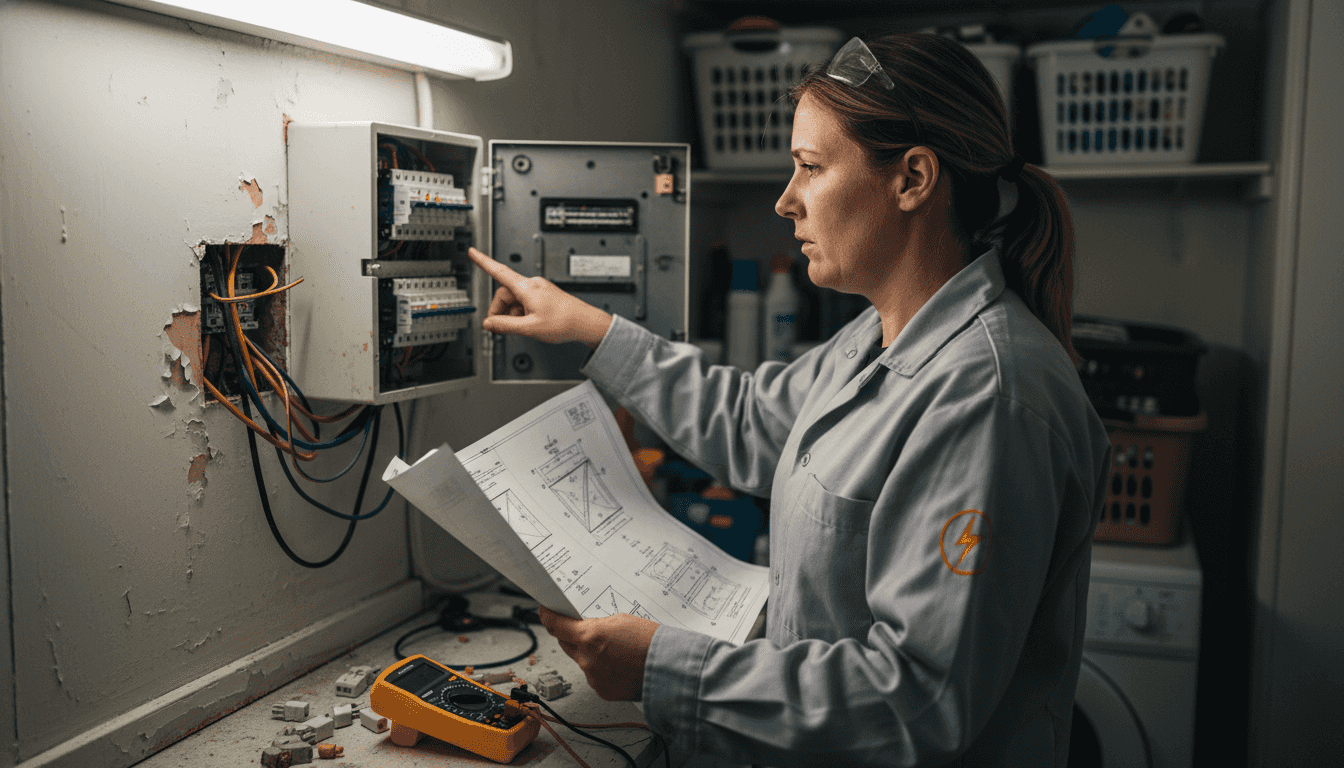
Cable sizing represents a critical installation parameter that directly affects safety and reliability. Undersized cables and incorrect breaker ratings cause overheating and trips because the conductor cross-sectional area determines current-carrying capacity. Most electric ovens require minimum 6mm² twin and earth cable, with 10mm² necessary for higher-powered models exceeding 13kW. Using 2.5mm² cable intended for ring circuits creates dangerous conditions where cable insulation degrades rapidly under excessive current, eventually causing insulation failure and earth faults.
Common installation mistakes extend beyond cable sizing to include:
- Connecting ovens via standard 13A plugs and sockets instead of dedicated cooker outlets
- Failing to install appropriate isolation switches within two metres of the appliance
- Running cables through areas exposed to excessive heat without adequate derating
- Making loose connections at terminals that create high-resistance joints and localised heating
- Neglecting to verify earth continuity and insulation resistance before energising circuits
British Standard BS 7671 wiring regulations specify exact requirements for cooker circuit installation, and compliance is not optional. These standards exist because decades of electrical incidents have identified the specific failure modes that proper installation prevents.
Circuit protection coordination matters as much as cable sizing. Your oven circuit requires both overcurrent protection through an MCB or RCBO and earth leakage protection via an RCD. The breaker rating must exceed the oven’s maximum current draw whilst remaining within the cable’s current-carrying capacity. Installing a 40A breaker on 6mm² cable, for instance, creates a dangerous mismatch where the breaker may not trip before cable damage occurs. Qualified electricians calculate these parameters precisely, accounting for installation method, ambient temperature, and grouping factors that affect cable performance.
Retrofitting older properties presents particular challenges because existing consumer units may lack spare ways for additional circuits or use outdated protection devices. Some installations still rely on rewireable fuses rather than modern MCBs, and these provide inadequate protection for high-power appliances. Upgrading your consumer unit becomes necessary when adding new electric ovens to ensure adequate protection and capacity. This investment protects your entire electrical installation, not just the oven circuit.
Troubleshooting and inspecting your oven safely
Before attempting any inspection, you must completely isolate the oven from the electrical supply. Switch off the circuit breaker at your consumer unit, then physically disconnect the appliance at the cooker outlet or connection point. Always disconnect oven from mains before inspection for safety because residual voltage can remain in components even after switching off. Use a voltage tester to confirm no live conductors exist before touching any internal parts. This precaution prevents electrocution and ensures you work safely.
Visual inspection reveals many common faults without requiring specialised test equipment. Remove the oven’s rear access panel to expose heating elements and internal wiring. Examine element terminals for signs of overheating, indicated by discolouration, melted insulation, or burnt connectors. Check cable insulation throughout its visible length for cracks, brittleness, or exposed conductors. Flaking paint on metal cradles can cause shorts by creating conductive paths between live components and earthed metalwork, so inspect element supports carefully for corrosion or paint deterioration.
Specific components warrant close attention during inspection:
- Heating element terminals and connection points for looseness or corrosion
- Selector switch contacts for carbon buildup or physical damage
- Fan motor bearings and windings for moisture ingress or burning smells
- Control board tracks for visible cracks, burns, or failed components
- Cable entry points where movement and heat create stress concentrations
Pro Tip: Take clear photographs of any damage or suspicious components you discover. These images help electricians diagnose faults more quickly and provide valuable records if warranty claims or insurance issues arise later.
Testing for earth leakage requires an insulation resistance tester, a specialised instrument most homeowners do not own. Qualified electricians use these meters to measure resistance between live conductors and earth, with readings below one megohm indicating insulation breakdown. You can perform basic continuity tests with a multimeter if you understand electrical principles, but interpreting results correctly requires training. Attempting tests without proper knowledge risks misdiagnosis and inappropriate repairs that worsen the problem.
Document your findings systematically before contacting a professional. Note which specific actions trigger the trip, whether it occurs immediately on switching on or after the oven heats up, and any unusual sounds, smells, or visual indicators accompanying the fault. This information helps electricians prepare appropriate tools and replacement parts, reducing diagnostic time and repair costs. Many intermittent faults prove difficult to replicate, so detailed observations from when the problem occurs provide invaluable diagnostic clues. Following an annual kitchen safety checklist helps identify developing faults before they cause trips or safety hazards.
Preventing oven electrical trips and ensuring safety
Proper circuit design forms the foundation of reliable oven operation. Your oven must connect to a dedicated radial circuit originating directly from the consumer unit, not branching from ring circuits or sharing protection devices with other high-power appliances. The circuit requires an appropriately rated MCB or RCBO, typically 32A for ovens up to 7.2kW or 40A for more powerful models. Correct cable size and dedicated circuits prevent trips and fire hazards by ensuring current-carrying capacity exceeds maximum demand with appropriate safety margins.
Cable selection must account for installation conditions that affect current-carrying capacity. Standard 6mm² twin and earth cable suffices for most domestic ovens when installed using Method C (clipped direct to surfaces or in conduit on walls). Higher-power ovens or installations using Method A (enclosed in thermally insulating walls) require 10mm² cable to maintain safe operating temperatures. The table below compares requirements:
| Installation scenario | Cable size required | Maximum breaker rating | Typical oven capacity |
|---|---|---|---|
| Standard single oven, Method C | 6mm² twin and earth | 32A | Up to 7.2kW |
| High-power single oven, Method C | 10mm² twin and earth | 40A | 7.2kW to 9.6kW |
| Any oven, Method A (insulated walls) | 10mm² twin and earth | 32A | Up to 7.2kW |
| Double oven or range cooker | 10mm² twin and earth | 45A or 50A | Above 9.6kW |
Regular maintenance and inspection prevent many electrical faults before they cause trips. Schedule professional electrical inspections every five years as recommended for domestic installations, or more frequently if you notice any performance changes. These inspections include insulation resistance testing, earth continuity verification, and assessment of mechanical components for wear. Catching deterioration early allows planned repairs rather than emergency callouts when complete failure occurs.
Recognising warning signs enables prompt action before minor issues escalate:
- Intermittent trips that become more frequent over time
- Burning smells when the oven operates, particularly plastic or electrical odours
- Discolouration or heat marks around the cooker outlet or connection point
- Unusual sounds from the oven such as buzzing, crackling, or arcing noises
- Inconsistent heating performance or elements that fail to reach temperature
Pro Tip: Never attempt DIY repairs on oven electrical circuits unless you hold appropriate qualifications. The combination of high voltages, sustained high currents, and potential earth faults creates serious risks that only qualified electricians should address. Improper repairs often worsen problems and may invalidate insurance coverage if fire or injury results.
Understanding your electrical installation’s limitations helps prevent overload situations. If your consumer unit dates from before 2000, it likely lacks sufficient capacity and protection devices for modern high-power appliances. Upgrading to a contemporary consumer unit with adequate ways, RCD protection, and appropriate breaker ratings provides the foundation for safe appliance operation. This investment benefits your entire electrical installation, improving safety and reliability throughout your home whilst supporting the power demands of modern kitchen appliances.
Professional oven electrical repair and installation in London
When your oven repeatedly trips electrics despite basic troubleshooting, professional diagnosis identifies the root cause and implements lasting solutions. Qualified electricians possess specialised test equipment that measures insulation resistance, earth loop impedance, and RCD trip times, pinpointing faults invisible to visual inspection alone. They understand the subtle interactions between appliance faults, circuit protection, and installation conditions that determine whether problems recur or resolve permanently.
Expert installation eliminates the common mistakes that plague DIY attempts, ensuring correct cable sizing, appropriate breaker selection, and proper earthing arrangements from the start. Professional electricians verify compliance with BS 7671 wiring regulations and provide certification documenting safe installation. This certification proves essential for insurance purposes and property sales, giving you peace of mind that your installation meets current safety standards. Fast, reliable service minimises disruption to your household, restoring your oven to safe operation quickly whilst reducing fire risks and compliance issues that amateur work creates.
Contact Elserve for trusted oven repairs and installations throughout London. Our qualified engineers diagnose electrical faults accurately, source quality replacement parts, and complete repairs to the highest standards. Whether you need emergency repairs for a tripping oven or professional installation of a new appliance, we deliver the expertise and reliability London homeowners depend on for safe, compliant electrical work.
FAQ
Why does my oven trip the RCD when switched on?
Your oven most likely has developed an earth leakage fault, typically from heating element insulation breakdown or damaged internal wiring. When electrical current escapes to earth through the appliance casing, your RCD detects this dangerous condition and trips to prevent electrocution. The fault requires professional diagnosis to identify the specific failed component and implement safe repairs.
Can I fix an oven that keeps tripping the electricity myself?
You can perform basic visual inspections after isolating the power supply, checking for obvious damage like burnt wiring or loose connections. However, internal repairs involving heating elements, control boards, or wiring require a qualified electrician due to serious electrocution risks. Professional repairs ensure safety and compliance whilst preventing further damage from incorrect work.
How important is correct installation to prevent oven trips?
Proper installation is absolutely critical for safe, reliable oven operation. Correct cable sizing, appropriate breaker ratings, and dedicated circuits prevent both nuisance tripping and dangerous overheating conditions. Undersized cables or shared circuits create fire hazards and frequent trips that proper installation eliminates, making professional installation essential for any electric oven.
What signs indicate my oven wiring or heating element is faulty?
Watch for circuit breaker trips, burning smells (especially plastic or electrical odours), visible wire damage, or flaking paint on metal components near elements. Intermittent operation, inconsistent heating, or discolouration around connection points also signal developing faults. Any of these warning signs warrants immediate professional inspection to prevent safety hazards or complete appliance failure.
Recommended
Recent Post

Appliance repair call-out fee: what London homeowners pay
2026-09-07 09:04:41

The role of washing machine control board explained
2026-07-27 15:59:24

Why dishwasher pumps fail: causes, symptoms, and fixes
2026-07-23 23:53:23
Looking for a fast and reliable appliance repair service?



ELSERVE is a registered company in England. Registered number 9798443. VAT number 407675383


-
Appliance repair call-out fee: what London homeowners pay
2026-09-07 09:04:41
-
The role of washing machine control board explained
2026-07-27 15:59:24
-
Why dishwasher pumps fail: causes, symptoms, and fixes
2026-07-23 23:53:23