
What Voids Appliance Warranty – Risks For London Homes
2026-01-25 18:15:56
What Voids Appliance Warranty – Risks For London Homes

Replacing a faulty washing machine or fridge in Central London can turn a simple inconvenience into an expensive headache. Warranty coverage is rarely as straightforward as homeowners expect, often hiding critical exclusions and requirements that could leave you footing the bill. By understanding the difference between a guarantee and a warranty and learning what actions might void your cover, you gain control over maintenance decisions and avoid repair costs most people do not see coming.
Table of Contents
- What Appliance Warranties Cover And Exclude
- Types Of Appliance Warranties In The UK
- Common Ways Warranties Are Voided
- Legal Protections And Consumer Rights
- Preventing Voiding: Best Practices For Owners
Key Takeaways
| Point | Details |
|---|---|
| Understanding Warranty Types | Familiarise yourself with the difference between a manufacturer’s guarantee and an extended warranty to ensure proper coverage. |
| Exclusions Awareness | Know common exclusions of warranties, such as accidental damage and unauthorised repairs, to avoid unexpected costs. |
| Legal Rights | Remember that consumer rights under the UK Consumer Rights Act 2015 provide additional protection beyond warranty terms. |
| Maintaining Coverage | Follow maintenance guidelines and use authorised service providers to keep your warranty valid and effective. |
What Appliance Warranties Cover And Exclude
When you purchase a new appliance for your London home, you receive a manufacturer’s guarantee that covers specific manufacturing faults for a set period. This is different from an extended warranty or service contract. A guarantee is a promise from the manufacturer or trader to repair or replace goods free of charge, provided the fault results from manufacturing defects rather than user error. The key distinction is that guarantees and warranties serve different purposes, and understanding which applies to your appliance matters significantly when something breaks down.
Most written warranties specify exactly what is covered, which parts are included, how long protection lasts, and importantly, what is explicitly excluded. Standard warranty coverage typically includes internal mechanical and electrical components that fail due to manufacturing defects, but excludes damage from misuse, accidents, normal wear and tear, and modifications made by unauthorised technicians. Your warranty may also require registration within a certain timeframe to remain valid, and you will need to keep your receipt and warranty documentation as proof of purchase. Extended warranties, which you purchase separately for an additional fee, offer broader protection beyond the manufacturer’s guarantee but come with their own limitations and exclusions that you must read carefully.
Exclusions vary considerably between appliances and manufacturers, but common restrictions apply across most products. Your warranty typically will not cover cosmetic damage, rust or corrosion on external surfaces, damage from power surges or electrical fluctuations, repairs needed due to improper installation, wear of components designed to be replaced regularly (such as filters or seals), or damage sustained during transit if you failed to use proper packaging. Additionally, if you use a technician not approved by the manufacturer for repairs, or if you attempt DIY fixes that go wrong, you risk voiding your warranty entirely. For London residents, understanding these exclusions before a problem arises prevents costly repair bills that you believed were covered.
Pro tip: Store your warranty documents, receipt, and any registration confirmations together in a safe place, and photograph the serial number plate on your appliance for easy reference should you need to make a claim.
Types Of Appliance Warranties In The UK
When you buy a new appliance in the UK, you will encounter two distinct types of protection that are often confused with one another. The first is the manufacturer’s guarantee, which is a free promise from the maker to repair or replace goods free of charge if a manufacturing fault occurs within a set period, typically one to two years. This is your statutory entitlement and covers defects that arise from poor workmanship or faulty components. The second type is a service contract or extended warranty, which you purchase separately for an additional fee. Extended warranties and service contracts offer protection beyond what the manufacturer provides, but they vary widely in what they cover and what they cost, so comparing them carefully before purchase is essential.
UK warranties come in several variations depending on your needs and budget. A standard manufacturer’s guarantee typically lasts twelve months and covers parts and labour for defects in materials or workmanship, but excludes wear and tear, misuse, and accidental damage. Extended warranties purchased at the point of sale or later extend this protection, often for two to five additional years, and may include accidental damage cover or breakdown assistance depending on the package you select. Insurance-backed guarantees are another option, providing security if the company offering the warranty ceases trading, ensuring you still have recourse for repairs. When selecting a warranty type, consider that extended warranty options in the UK differ significantly in scope, so checking coverage details, claim procedures, and the provider’s reputation helps you determine whether the extra cost represents genuine value for your appliance and circumstances.
Here’s a comparison of the main types of appliance warranties available in the UK:
| Warranty Type | Cost to Consumer | Typical Duration | Scope of Cover |
|---|---|---|---|
| Manufacturer’s Guarantee | Included in purchase | 1–2 years | Manufacturing faults, parts, and labour |
| Extended Warranty (Service Contract) | Additional fee | 2–5 extra years | May add accidental or breakdown cover |
| Insurance-Backed Guarantee | Often included or small premium | Matches extended warranty | Protection if provider ceases trading |
Many London homeowners purchase extended warranties believing they provide comprehensive cover, only to discover later that significant exclusions apply. Before committing to any extended warranty, you should review what it actually covers beyond the manufacturer’s guarantee, clarify whether it includes accidental damage or only mechanical breakdown, confirm the claims process and any excess fees you might pay, and verify the company’s track record for handling claims. Some extended warranties become less valuable as appliances age, with older models experiencing higher failure rates that warranties may not cover. Rather than automatically extending every warranty, focus on high value items such as dishwashers, washing machines, and refrigerators, which represent significant investments and have complex components prone to expensive repairs.
Pro tip: Request a copy of the full warranty terms in writing before purchase, and cross-reference what is covered against your appliance’s most likely failure points, which you can identify by checking online reliability reviews for your specific model.
Common Ways Warranties Are Voided
Your warranty provides valuable protection, but it can vanish quickly if you take certain actions or fail to follow specific requirements. One of the most common warranty killers is using an unauthorised repair service to fix your appliance. When you take your washing machine or oven to an independent technician who is not approved by the manufacturer, you risk losing all warranty cover from that point forward. The manufacturer assumes that only trained, certified technicians have the right tools, parts, and knowledge to repair appliances correctly. Similarly, installing unauthorised parts inside your appliance, even if they seem compatible or cost less than genuine replacements, can void your warranty because the manufacturer cannot guarantee those components will perform safely or reliably. Unauthorised repairs and modifications are specifically cited in consumer protection law as valid grounds for warranty cancellation.
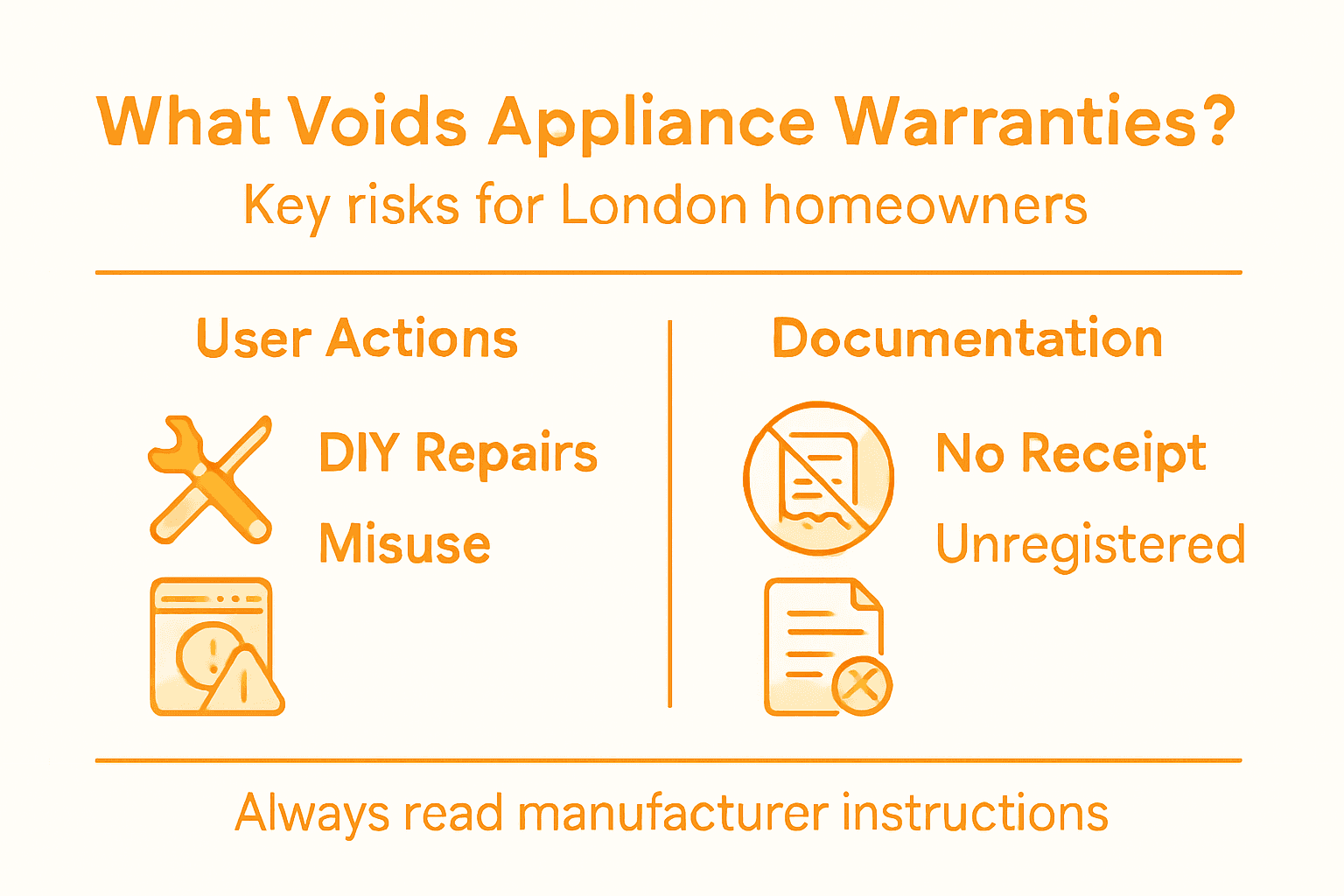
Negligence and misuse represent another category of warranty voidance that catches many London homeowners off guard. If your dishwasher breaks down because you never cleaned the filters, or your washing machine fails because you overloaded it repeatedly, the manufacturer will likely reject your warranty claim. This falls under the umbrella of failure to maintain your appliance properly. Following the care instructions in your manual is not optional; it is a condition of your warranty remaining active. Accidental damage also typically voids warranties, meaning if you spill water on an electrical appliance or drop a cooker whilst moving it, repairs will come out of your own pocket. Additionally, misuse, negligence, and lack of maintenance all release manufacturers from their warranty obligations, so understanding what constitutes proper care is crucial before a problem occurs.
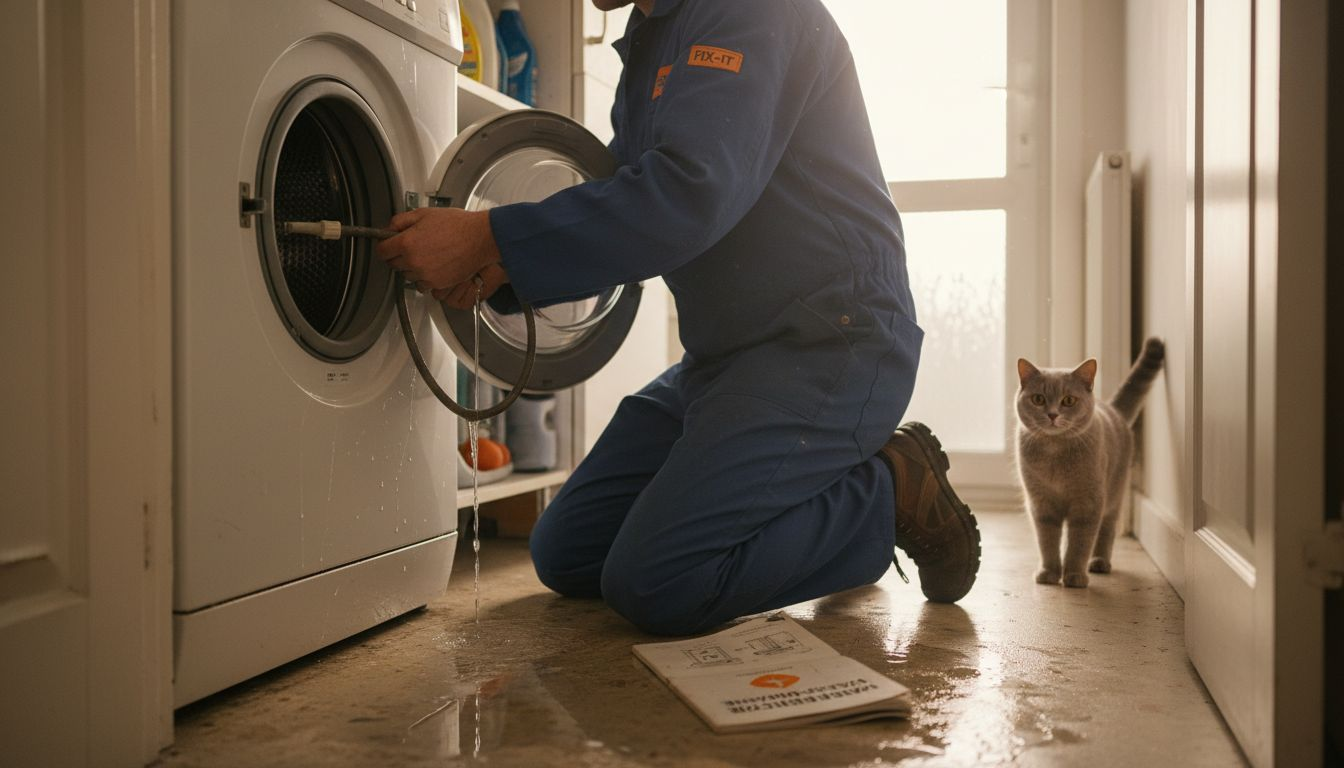
Other silent warranty killers include failing to register your appliance within the timeframe specified by the manufacturer, not keeping your proof of purchase or warranty paperwork, attempting DIY repairs that go wrong, and using your appliance outside its intended purpose. If you buy a cooker designed for standard domestic use and then attempt to run a commercial catering business from your kitchen, you will void the warranty. Power surges, flooding from burst pipes, and other damage caused by external factors beyond the appliance’s design are also excluded. Finally, if you modify the appliance’s structure, electrical connections, or gas lines without authorisation, you not only void the warranty but potentially create serious safety hazards.
Pro tip: Keep a separate folder with your warranty certificate, purchase receipt, proof of manufacturer registration, and a copy of the instruction manual, and photograph the appliance’s serial number for your records so you can quickly prove coverage eligibility if a fault occurs.
Legal Protections And Consumer Rights
Beyond manufacturer warranties and extended service contracts, you have legal rights as a consumer that protect you regardless of what a warranty document claims. The UK Consumer Rights Act 2015 is your safety net, establishing statutory protections that cannot be overridden by unfair warranty terms or manufacturer exclusions. These rights exist independently of any warranty you purchase, meaning even if a manufacturer tries to void your warranty, certain protections remain in place by law. UK consumer protection rights give you the right to goods that are of satisfactory quality, fit for purpose, and as described when you bought them. If an appliance fails within a reasonable timeframe after purchase due to a manufacturing fault, you have recourse regardless of what the warranty paperwork says.
The Consumer Rights Act 2015 provides several specific remedies if goods prove faulty. Within the first 30 days of purchase, you have the right to reject faulty goods outright and demand a full refund, no questions asked. After 30 days, the law still protects you, but the remedy changes slightly: you can request repair, replacement, price reduction, or refund, depending on what is most appropriate. The burden of proof shifts in your favour during the first six months. If a fault appears within this period, the law presumes the fault existed when you bought the item unless the merchant can prove otherwise. Statutory rights for consumers cover goods, digital content, and services, ensuring you cannot be left without protection by unfair contract terms that attempt to limit your remedies.
For London homeowners, this means manufacturer warranties are only part of your protection. If you buy a refrigerator that develops compressor problems after eight months, and the manufacturer claims the warranty is voided because you did not register it within 14 days, you still have legal recourse under consumer law. Similarly, if an appliance breaks down and the manufacturer insists you use only their approved technician at triple the cost of an independent repair, consumer law may allow you to use anyone you choose and still maintain statutory protections. Unfair terms that attempt to exclude or restrict your rights are not legally binding. The key is understanding that manufacturer warranties operate alongside your statutory rights, not instead of them. Document everything: keep receipts, photographs of the appliance, records of any defects, and correspondence with the retailer or manufacturer, as this evidence supports claims under consumer law.
Pro tip: If a warranty claim is rejected, contact the retailer who sold you the appliance first rather than the manufacturer, as retailers have direct responsibility for consumer law compliance and are often more responsive to complaints about unfair warranty enforcement.
Preventing Voiding: Best Practices For Owners
The best way to protect your warranty is to treat it as a legal agreement rather than optional paperwork. Start by reading the warranty document thoroughly before you even bring the appliance home. Understand exactly what is covered, what is excluded, how long protection lasts, and what steps you must take to keep it active. Many warranties require you to register your appliance with the manufacturer within a specific timeframe, often within 14 to 30 days of purchase. Missing this deadline can instantly void your coverage, so set a reminder on your phone the day you buy the appliance. Keep all original documentation: the warranty certificate, purchase receipt, proof of registration, and the instruction manual. Store these items together in a safe, accessible place rather than shoving them into a drawer and forgetting about them. When the time comes to make a claim, you will need to prove you own the appliance and that you purchased it within the warranty period.
Regular maintenance is your first line of defence against warranty rejection. Performing recommended maintenance and servicing keeps your appliance running correctly and demonstrates to the manufacturer that you have cared for it properly. Read your instruction manual and follow the maintenance schedule it outlines. For a washing machine, this means cleaning the detergent drawer and drum regularly. For a dishwasher, it involves emptying the filter basket and running cleaning cycles. For a refrigerator, it requires defrosting if needed and checking door seals. These seemingly small tasks are not optional; they are conditions of your warranty. When a fault does occur, document it thoroughly before contacting the manufacturer or retailer. Take photographs or videos showing the problem, note the date it first appeared, and write down exactly what is happening. This evidence prevents disputes about whether the fault is genuinely a manufacturing defect or the result of your neglect.
When repairs are needed, only use authorised service providers approved by the manufacturer. This is non negotiable if you want to maintain warranty coverage. Independent technicians, whilst often cheaper and faster, automatically void your warranty the moment they touch your appliance. Before paying for any repair, ask the service provider whether they are manufacturer authorised. If you are unsure about authorisation, contact the manufacturer directly and ask for a list of approved technicians in London. Avoid attempting any DIY repairs, even if you consider yourself handy. What seems like a simple fix can cause hidden damage that invalidates your warranty and potentially creates safety hazards. Never install aftermarket parts, modify the appliance’s structure, or adjust electrical connections yourself. These actions transform a simple repair into a warranty voiding event.
Below are practical ways to prevent warranty voidance as an appliance owner:
| Preventative Action | Why It Matters | Impact on Warranty |
|---|---|---|
| Register appliance promptly | Ensures activation and eligibility | Maintains legal cover |
| Use authorised service agents | Only approved repairs preserve warranty | Avoids automatic voiding |
| Perform regular maintenance | Demonstrates proper care | Reduces risk of claim rejection |
| Retain original documents | Provides proof of purchase and registration | Required for all claims |
Pro tip: Create a digital folder on your phone with photographs of your warranty documents, receipt, serial number, and proof of registration, and set annual calendar reminders to check your appliance for any developing faults before they worsen.
Protect Your Appliance Warranty with Expert Repairs in London
Dealing with appliance faults can be stressful enough without worrying if your warranty is voided due to unauthorised repairs or improper maintenance. This article highlights how many London homeowners unknowingly jeopardise their manufacturer’s guarantee by choosing non-approved service providers or neglecting essential care. Avoid costly out-of-pocket charges and keep your warranty intact by trusting professionals who understand the strict conditions around warranty validity, parts authenticity, and authorised servicing.
Choose reliable Domestic Appliance Repairs London UK specialists who respect warranty rules and provide safe, manufacturer-approved fixes. At Elserve, we prioritise your peace of mind by helping you maintain your appliance properly and ensuring all repairs meet warranty standards. Don’t risk voiding your coverage with DIY attempts or unapproved technicians. Take action now—visit Elserve to schedule a service and safeguard your investment today. Understanding your warranty and partnering with authorised repair experts means fewer surprises and more lasting appliance performance.
Frequently Asked Questions
What actions can void my appliance warranty?
There are several actions that can void your appliance warranty, including using unauthorised repair services, failing to maintain the appliance as described in the manual, not following registration requirements, and attempting DIY repairs or modifications.
How does improper maintenance affect my warranty status?
Improper maintenance, such as neglecting to clean filters or overloading appliances, can lead to faults being classified as user error. This can result in warranty claims being rejected since many warranties stipulate that proper care is required to keep the warranty valid.
What should I do if my warranty claim is rejected?
If your warranty claim is rejected, it is best to contact the retailer who sold you the appliance. They have direct responsibilities under consumer law and may assist you in resolving issues with the manufacturer.
Are there any legal protections that apply if my warranty is voided?
Yes, the UK Consumer Rights Act 2015 provides statutory protections that cannot be overridden by warranty terms. If an appliance becomes faulty due to manufacturing issues within a reasonable timeframe, you may have rights regardless of warranty limitations.
Recommended
- Most Reliable Appliance Brands for London Households - Elserve I Quality Appliance Repairs in 2 Hour Time Slots
- Industry News - Elserve I Quality Appliance Repairs in 2 Hour Time Slots
- Blog - Elserve I Quality Appliance Repairs in 2 Hour Time Slots
- Makes - Elserve I Quality Appliance Repairs in 2 Hour Time Slots
- Shutter Installation Warranty Guide for UK Homes 2025 | Shutter World
Recent Post

Appliance repair call-out fee: what London homeowners pay
2026-09-07 09:04:41

The role of washing machine control board explained
2026-07-27 15:59:24

Why dishwasher pumps fail: causes, symptoms, and fixes
2026-07-23 23:53:23
Looking for a fast and reliable appliance repair service?



ELSERVE is a registered company in England. Registered number 9798443. VAT number 407675383


-
Appliance repair call-out fee: what London homeowners pay
2026-09-07 09:04:41
-
The role of washing machine control board explained
2026-07-27 15:59:24
-
Why dishwasher pumps fail: causes, symptoms, and fixes
2026-07-23 23:53:23